
According to the Public Health Agency of Canada, over 80 Canadians are ill with Cyclospora and the source isn’t known. It’s also not clear whether these illnesses are linked to the 350+ cases of Cyclospora in Texas and elsewhere.
Related, or maybe not, who can tell, cilantro produced in Puebla, Mexico was banned from the U.S. a couple of weeks ago – after hundreds of Cyclospora illnesses going back to 2012.
The Public Health Agency of Canada is collaborating with provincial public health partners, the Canadian Food Inspection Agency, and Health Canada to investigate 83 Canadian cases of Cyclospora infections in Ontario, British Columbia, Alberta, and Quebec. The source of this outbreak is not yet known, and the Agency and its partners continue to investigate.
In Canada, a total of 83 cases have been reported in British Columbia (3), Alberta (1), Ontario (74), and Quebec (5). Two cases have been hospitalized, and are recovered or recovering. No deaths have been reported. Individuals became sick between May 9 and July 18, 2015. To date, no source has been identified. The investigation is ongoing.
The Public Health Agency of Canada is leading the human health investigation of this outbreak and is in regular contact with its federal and provincial partners to monitor and take collaborative steps to address the outbreak. Health Canada provides food-related health risk assessments to determine if the presence of a certain substance or microorganism poses a health risk to consumers. The Canadian Food Inspection Agency (CFIA) conducts food safety investigations into the possible food source of an outbreak. The Government of Canada will continue to update Canadians as new information related to this investigation becomes available.
So many questions – are the Canadians coordinating with U.S. officials who are investigating american Cyclospora illnesses? Are Canadians still getting cilantro from Puebla, Mexico? This is a weird statement at the bottom of the press release:
To date, no multi-jurisdictional outbreaks have been linked to produce grown in Canada.


.jpg) I find that food inspectors in all regulatory agencies have a tendency to confuse their inspection techniques with their investigative techniques. This results in lost evidence (primarily food samples) to prove the cause of a foodborne illness.
I find that food inspectors in all regulatory agencies have a tendency to confuse their inspection techniques with their investigative techniques. This results in lost evidence (primarily food samples) to prove the cause of a foodborne illness.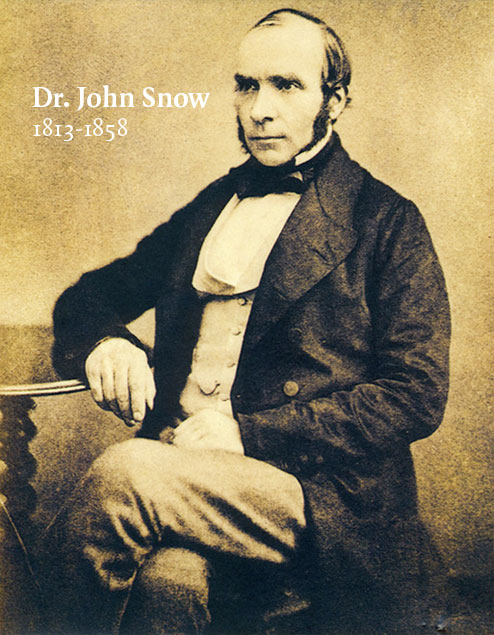 The guidelines in this document are targeted to local, state and federal agencies and provide model practices used in foodborne disease outbreaks, including planning, detection, investigation, control and prevention. Local and state agencies vary in their approach to, experience with, and capacity to respond to foodborne disease outbreaks. The guidelines are intended to give all agencies a common foundation from which to work and to provide examples of the key activities that should occur during the response to outbreaks of foodborne disease. The guidelines were developed by a broad range of contributors from local, state and federal agencies with expertise in epidemiology, environmental health, laboratory science and communications. The document has gone through a public review and comment process.