
The U.S. Centers for Disease Control reports that on June 29, 2011, the Wyoming Department of Health was notified of two laboratory-confirmed cases of Campylobacter jejuni enteritis among persons working at a local sheep ranch.
During June, two men had reported onset of symptoms compatible with campylobacteriosis. Both patients had diarrhea, and one also had abdominal cramps, fever, nausea, and vomiting. One patient was hospitalized for 1 day. Both patients recovered without sequelae. During June, both patients had participated in a multiday event to castrate and dock tails of 1,600 lambs. Both men reported having used their teeth to castrate some of the lambs. Among the 12 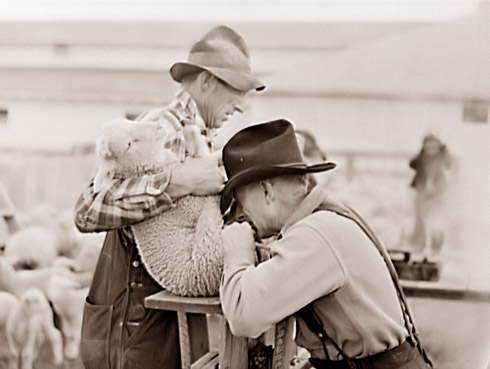 persons who participated in the event, the patients are the only two known to have used their teeth to castrate lambs. During the multiday event, a few lambs reportedly had a mild diarrheal illness. Neither patient with laboratory-confirmed illness reported consumption of poultry or unpasteurized dairy products, which are common sources of exposure to C. jejuni. The patients resided in separate houses and did not share food or water; none of their contacts became ill.
Both patients provided stool specimens for laboratory testing; C. jejuni was isolated from each. The pulsed-field gel electrophoresis (PFGE) patterns of the isolates were indistinguishable when restricted separately by two enzymes, SmaI and KpnI. This PFGE pattern had never been reported among 667 specimens from which C. jejuni was isolated in Wyoming and is rare in CDC’s PulseNet*database, with a frequency of 0.09% (8 of 8,817). The low frequency of this PFGE pattern suggests that both patients were infected from a common source.
Animals at the ranch included sheep, cattle, horses, cats, and dogs; none were ill during the site visit on October 19 when investigators obtained fecal samples from five lambs. C. jejuni was isolated from two lambs; one isolate had a PFGE pattern indistinguishable from the two human isolates. C. jejuni is transmitted via the fecal-oral route; this is the first reported association of C. jejuni infection with exposure during castration of lambs. The PFGE pattern identified in these cases had not been associated with animal exposure. Ranch owners and employees were advised to use standardized, age-specific techniques for lamb castration (e.g., Burdizzo, rubber rings, or surgery) and to wash their hands thoroughly after contact with animals.
 led to 34 perinatal infections, according to a report on the outbreak published in 1983 in the
.jpg) had non-bloody diarrhea for 3 days and abdominal pain. Questioning of the patients’ parents identified no recent history of travel, contact with farm animals, or outdoor bathing. A food history indicated that the 2 patients had shared an undercooked ground beef burger 4–5 days before symptom onset. The patients’ parents also ate burgers from the same package (box); they did not report any gastrointestinal symptoms.
had non-bloody diarrhea for 3 days and abdominal pain. Questioning of the patients’ parents identified no recent history of travel, contact with farm animals, or outdoor bathing. A food history indicated that the 2 patients had shared an undercooked ground beef burger 4–5 days before symptom onset. The patients’ parents also ate burgers from the same package (box); they did not report any gastrointestinal symptoms.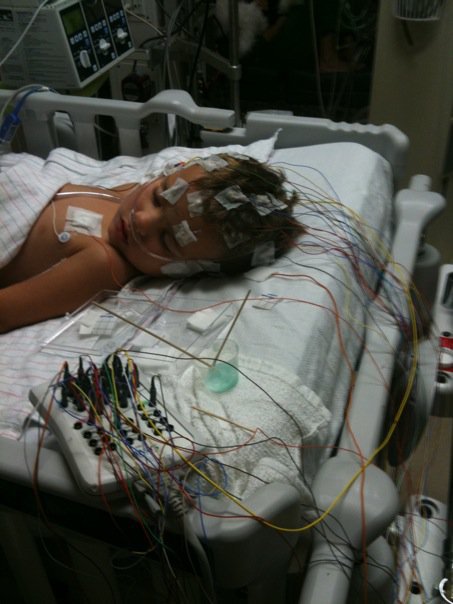 We’ve done this before, but now there are a couple of public health students interested in doing some formal work to decrease the risk of dangerous bugs passing from animals to humans, or humans to animals, so we introduced them to the petting zoo/fair concept, and the hygiene measures available.
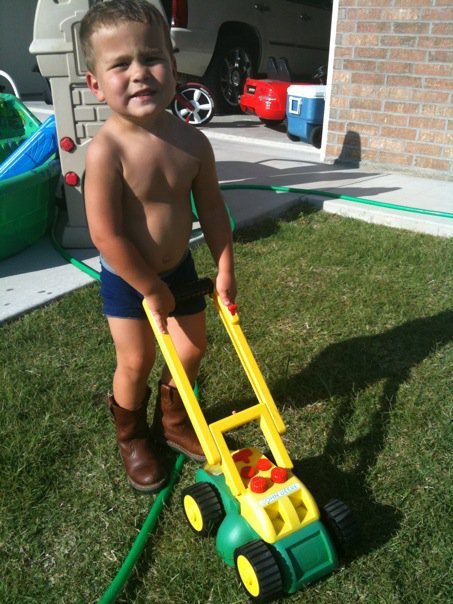 In 1999, 159 people, mainly children, were sickened with E. coli O157:H7 traced to goat and sheep at the 1999 Western Fair in London, Ontario
 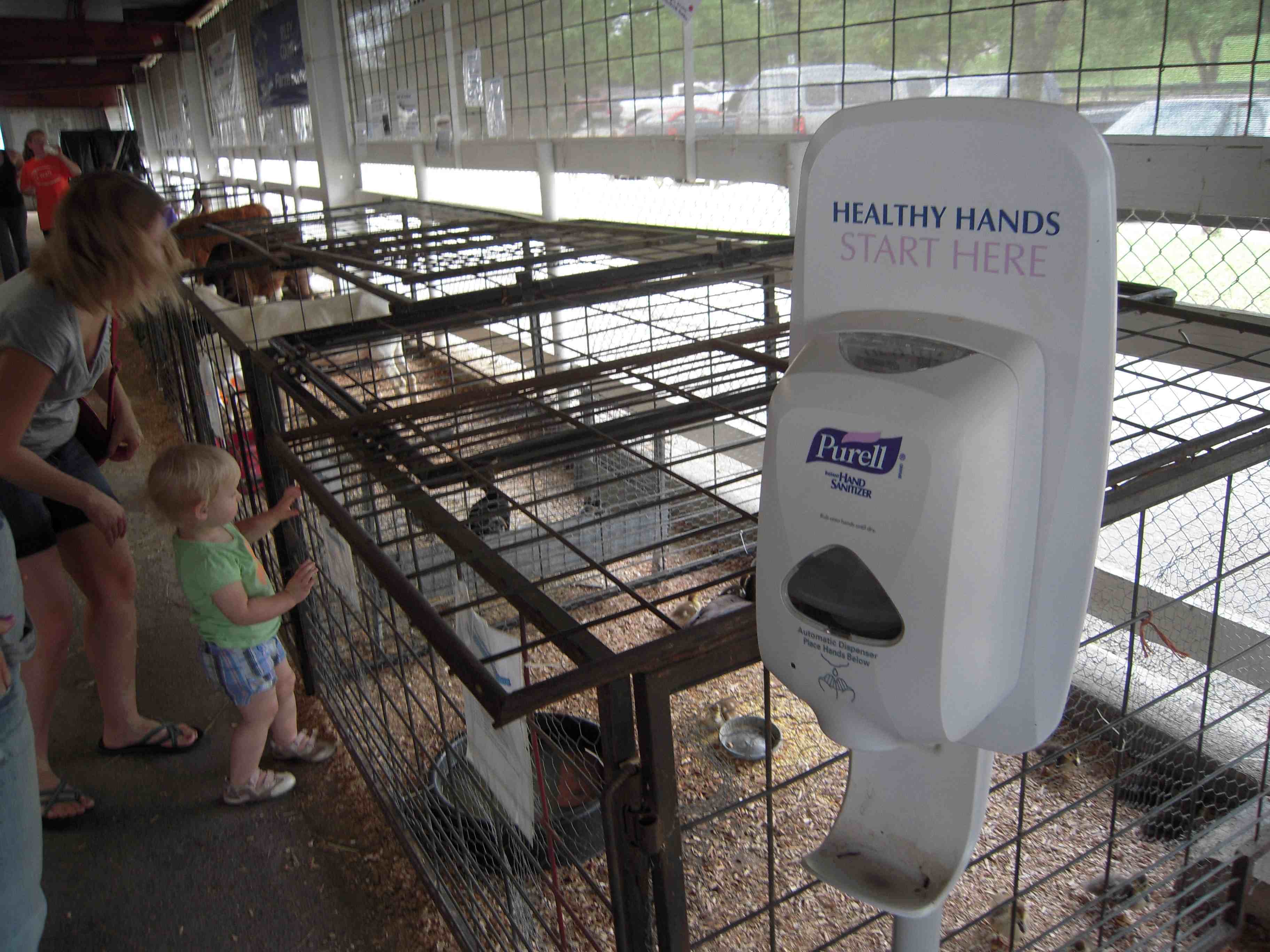 So, how best to motivate fair managers to provide petting zoos that are microbiologically safe? Should the urban public be allowed to interact with livestock at all? Should petting zoos be inspected, as restaurants are, and the results displayed? We’ll be looking, and hoping that Bubba improves. Bubba has his own Facebook page at
  MAF Biosecurity New Zealand (MAFBNZ) and the New Zealand Food Safety Authority (NZFSA)
  This weekend during a mini-adventure an hour north I got to tick two things off my Things to do in New Zealand list: drive on the left side of the road and pet a lamb. While the former turned out to be easier than initially presumed (aside from roundabouts), it was the latter that had me giddy.
.png)
.jpg) The report acknowledged that
The report acknowledged that.jpg)