Stop kissing chicks; more Salmonella from backyard chicks

The U.S. Centers for Disease Control and Prevention reports that as of May 27, 2014, a total of 126 persons infected with the outbreak strains of Salmonella Infantis or Salmonella Newport have been identified in 26 states. Since the last update on May 8, 2014, a total of 66 new ill persons have been reported from 18 states: Alabama (4), Colorado (1), Georgia (5), Illinois (1), Indiana (1), Kentucky (2), Maine (4), Montana (1), New Hampshire (1), New Mexico (1), New York (6), North Carolina (11), Ohio (7), Pennsylvania (7), South Carolina (3), Tennessee (5), Virginia (5), and West Virginia (1).

baby.chickAmong the persons who reported the date they became ill, illnesses began between and February 4, 2014 and May 15, 2014. Ill persons range in age from younger than one year to 95 years, and the median age is 28 years. Thirty-nine percent of ill persons are 10 years of age or younger.  Fifty percent of ill persons are female. Among 81 ill persons with available information, 28 (35%) have been hospitalized. No deaths have been reported.

Epidemiologic, laboratory, and traceback investigations conducted by officials in local, state, and federal public health agencies indicate that contact with live poultry sourced from Mt. Healthy Hatcheries in Ohio is the likely source of this outbreak of Salmonella infections.

Interviews with newly reported ill persons about their exposures in the week before becoming ill continue to be conducted. To date, 72 (82%) of 88 ill persons interviewed reported contact with live poultry (e.g., chicks, chickens, ducks, ducklings) before becoming ill.  Eight (11%) of 72 reported contact with only adult chickens and 5 (7%) of 72 reported contact with only ducklings.  The median time from acquiring live poultry and illness onset was 24 days, with a range of 3 to 468 days. Samples from live poultry and the environments where the poultry live and roam were collected from an ill person’s home in Vermont. Testing of these samples yielded one of the outbreak strains of Salmonella Infantis. These birds were sourced from Mt. Healthy Hatcheries.
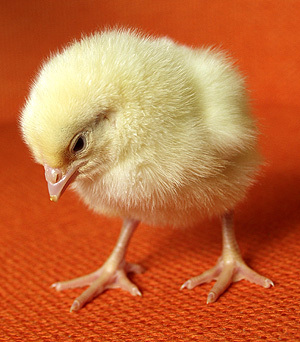
OLYMPUS DIGITAL CAMERAMt. Healthy Hatcheries sells birds to many different retailers. Fifty-two (90%) of 58 ill persons with available purchase information reported purchasing live poultry from seven different feed or farm store companies in multiple states. Ill persons reported purchasing live poultry for backyard flocks to produce eggs or meat, or to keep as pets.

Contact with live poultry can be a source of human Salmonella infections. Many ill persons in this outbreak reported bringing the live poultry into their homes, and others reported kissing or cuddling with the live poultry. These behaviors increase a person’s risk of a Salmonella infection from contact with live poultry. People can get sick even if they do not have direct contact with the live poultry, but touch items and places that have been contaminated in the poultry’s environment. Always wash hands thoroughly with soap and water right after touching live poultry or anything in the area where they live and roam. Adults should supervise hand washing for young children. These recommendations are important and apply to all live poultry regardless of the age of the birds or where they were purchased.

Mail-order hatcheries, agricultural feed stores, and others who sell or display chicks, ducklings and other live poultry should provide health-related information to owners and potential purchasers of these birds prior to the point of purchase. This should include information about the risk of acquiring a Salmonella infection from contact with live poultry.
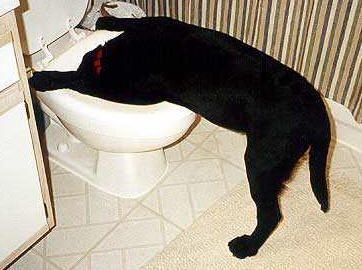
Dog poops on plane, US Airways flight makes emergency landing

I’m as sensitive, if not more so, to the sight and smell of poop and barf. But on a plane, I get it together, like when a daughter barfed beside me upon landing: went into the barf bag, and I casually strolled out and deposited the gift in the garbage.

dog_vomitFlight 598 was already two hours late when it took off from Los Angeles International Airport.

Things went downhill from there.

A terrible smell spread through the cabin. And it got worse.

The source? A service dog, belonging to a passenger, heeded nature’s call smack in the center aisle. And then the mutt pooped again.

Then the passengers started vomiting.

Disgusted passengers took to Twitter Wednesday to voice their displeasure. Especially after the pilot announced they would be making an emergency landing in Kansas City, Mo., because the plane had run out of paper towels and the mess was clogging the aisle.

“The second time after the dog pooped they ran out of paper towels, they didn’t have anything else,” passenger Steve McCall told “Inside Edition.”

“The pilot comes on the radio, ‘Hey, we have a situation in the back, we’re going to have to emergency land!'” McCall recalled.

Micaela Connery tweeted “after being delayed 2 hours we get grounded because of dog poop on the plane. A 7 hour trip is now pushing 14.”

Pre-emptive strike: jerky pet treat makers agree to $6.5 million fund

Jonel Aleccia of NBC News reports that two of the biggest makers of jerky treats blamed for deaths and illnesses of thousands of pets in the U.S. have agreed to create a $6.5 million fund to compensate dog owners who believe their animals were harmed, according to terms of a settlement in a class-action lawsuit announced Friday.

sadie.dog.powellNestle Purina PetCare Co. and Waggin’ Train LLC reached an agreement with pet owners in several states who were seeking redress for what they claimed was suffering and death of pets who ate chicken and other jerky treats made in China.

If approved, the settlement would also require Nestle Purina Pet Care Co. to undertake “enhanced quality assurance measures” regarding pet treats made in China and to modify language on its packaging.

In announcing the settlement, filed in U.S. District Court for the Northern District of Illinois, neither party admitted fault.

“Neither Waggin’ Train, Nestle Purina nor any of the consumers concede that their claims or their defenses were not valid,” lawyers for the parties said in a statement. “All parties entered into the agreement only to bring the litigation to a prompt and certain resolution.”

The move comes two weeks after federal Food and Drug Administration officials said that pet treats, mostly imported from China, had been linked to more than 1,000 deaths in dogs, more than 4,800 complaints about animal illness and, for the first time, sickness in three people who ate the products.

Last week, two large pet supply firms, PetSmart and Petco announced they would no longer sell jerky treats made in China.

Rob Mancini: new US standards for Campylobacter on poultry

Campylobacter spp. commonly infect a broad range of livestock species, pets and wild animals. In poultry they multiply in large numbers in the hindgut, principally in the caecae. A significant cause of enteritis in hymans is caused by Campylobacters and infected poultry are a potential reservoir of this zoonosis.1 It is generally assumed that Campylobacters contaminate poultry meat during processing, surviving throughout the food chain supply to constitute a risk to human health.

FunkyChickenHiThe reduction of C. jejuni in the food chain, particularly from chicken products, is a major strategy in controlling the disease caused by campylobacter spp. One approach to this goal is to prevent C. jejuni colonization of broiler chickens.

The U.S. Department of Agriculture has, according to The Poultry Site, announced it will draft new safety standards for Campylobacter in poultry, in addition to the previously-announced timeline on Salmonella. These standards are expected to be ready by the end of September.

The Department took this step in response to an April letter from Senators Dianne Feinstein (D-California), Dick Durbin (D-Illinois) and Kirsten Gillibrand (D-New York) that expressed concern over food safety standards and urged the Department of Agriculture to develop better standards that would significantly reduce the levels of Salmonella and Campylobacter in poultry.

Senator Feinstein commented: “Simply put, the levels of Salmonella and Campylobacter in chicken are too high. Secretary Vilsack made the right decision to accelerate the creation of strong standards for both pathogens.

Senator Durbin said: “I am pleased to hear that the USDA is taking proactive steps to address the risk of foodborne illness by establishing strong performance standards for poultry products, including poultry parts.

Commenting on the announcement, Senator Gillibrand added: “The U.S. has made little progress in reducing the rate of foodborne illnesses from Salmonella and Campylobacter over the past 10 years, and it is time to turn that track record around. I will continue to work with Secretary Vilsack and my colleagues in the Senate to improve food safety for American families.”

1. McMullin, P. A (2004) Pocket Guide to Poultry health and Disease. 5M Publishing, Sheffield.

2. Newell, D.G. and Fearnley, C. (2003) Sources of Campylobacter Colonization in Broiler Chickens.  Appl. Environ. Microbiol. August vol. 69 no. 8 4343-4351

Rob Mancini, a MS graduate of Kansas State University, is a health inspector with the Manitoba Department of Health.

Toilet themed restaurant in LA craps out

It seems that customers really didn’t want to eat murky brown curry from a mini toilet.

Los Angeles’ Magic Restroom Café- a bathroom themed eatery- closed its doors over Memorial Day weekend.

Magic Restroom CaféThe Taiwanese food joint stayed open just eight months, Los Angeles Magazine reports. 

Customers with iron stomachs sat on individual porcelain thrones while dining on dishes like “smells like poop” (pork over rice) or “bloody number two” (strawberry-vanilla sundae). According to various Yelp reviews, the questionable fare at Magic Restroom Cafe was likely to induce some quality time on a real latrine. 

Popular NZ eatery a risk to public health

A popular Dominion Road eatery has been prosecuted by Auckland Council for failing to meet national food health regulations. The Golden Tulip Restaurant at 537 Dominion Road, Balmoral and its owners faced multiple charges of food safety and hygiene issues and were fined almost $4,000 by the Auckland District Court this week.

The Golden Tulip Restaurant.aucklandIn a routine inspection by Auckland Council on February 11, an environmental health officer observed a number of areas of non-compliance – offences under the regulations – including cockroaches, the use of mouldy curry paste and inadequate food protection. Other issues concerned a lack of understanding of hygiene practices such as staff wearing protective clothing, washing hands in hot water and general food safety practices.

On completion of the inspection the Golden Tulip was immediately closed and given an ‘E’ Food grade rating. Since the court case, after several reinspections and a full assessment of the operation throughout April, Auckland Council has issued the Golden Tulip with a ‘B’ grade.

The Auckland Council food safety bylaw came into force in July 2013 and introduced a regional grading system based on compliance and risk, as well as the need for at least 50 percent of all food handlers to be trained in food hygiene.

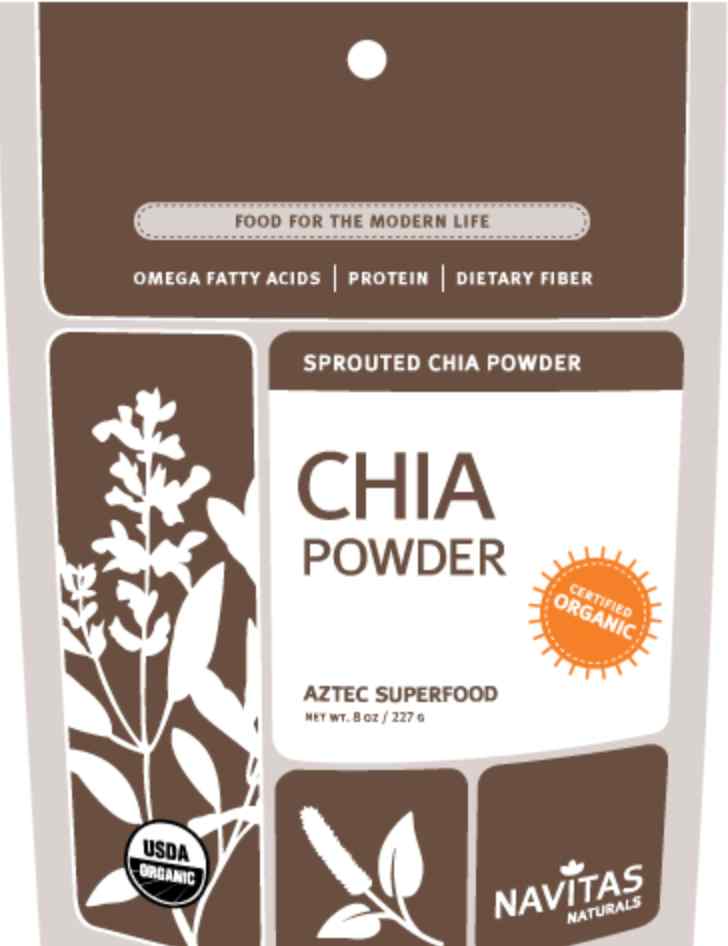
12 sick: ‘Superfood Co’ super-sucks even more with Salmonella on sprouted chia powder

On May 28, 2014, Navitas Naturals issued a voluntary recall for organic sprouted chia seed powder products.

No mention was made of sick people.

salm.chia.sprout.powderThat’s OK, the U.S. Centers for Disease Control took care of that, publishing an outbreak alert on May 29, 2014,

• A total of 12 persons infected with the outbreak strain of Salmonella Newport have been reported from 7 states.

• One ill person has been hospitalized. No deaths have been reported.

• Collaborative investigation efforts of state, local, and federal public health and regulatory agencies indicate that organic sprouted chia powder distributed by Navitas Naturals of Novato, California is the likely source of this outbreak.           

CDC is collaborating with public health officials in several states and the U.S. Food and Drug Administration (FDA) to investigate a multistate outbreak of Salmonella Newport infections. Results from this ongoing investigation indicate that organic sprouted chia powder distributed by Navitas Naturals of Novato, California is the likely source of this outbreak. Chia powder is made from ground dried chia seeds.

Public health investigators are using the PulseNet system to identify cases of illness that may be part of this outbreak. PulseNet, the national subtyping network of public health and food regulatory agency laboratories coordinated by CDC, obtains DNA “fingerprints” of Salmonella bacteria through diagnostic testing with pulsed-field gel electrophoresis, or PFGE, to identify cases of illness that may be part of this outbreak. This PFGE pattern has never been seen before in PulseNet.

A total of 12 ill persons infected with the outbreak strain of Salmonella Newport have been reported from 7 states.

Several samples of leftover organic sprouted chia powder from ill persons’ homes and unopened packages from retail locations are being tested for the presence of Salmonella bacteria. Results of this testing will be released when they become available.

Rob Mancini: Restaurant inspections a snap shot in time

Public health inspections are carried out to determine compliance with regulations. They also serve as a means of informing operators on proper food safety practices. However, health inspections are snap shots in time and are typically performed once to three times a year, primarily due to a lack of resources.

Rob_Mancini_001-300x150The importance lies in what happens when the inspector is not present. Is there a food safety culture within the establishment or is the operator just out to make a buck? Everyone is different and everyone responds differently to certain stimuli. The folks who keep insisting that they haven’t caused a foodborne illness in over 30 years may require a stringent approach. Others may respond differently. Does the operator have food safety training and if so, what kind? I am an advocate of a hands-on approach to food safety training by actually demonstrating food safety practices with operators in their restaurant. In this regard, operators can focus on what they need to do to ensure food safety in their own environment.  Does a restaurant operator really need to know what temperatures inactivate parasites in fish if the only things they serve are burgers?

Phil’s Pantry in Pontypool was fined after a health inspection for hygiene breach. According to the South Wales Argus:

A Pontypool delicatessen was fined after cooked foods were stored below raw meat.

A hygiene inspection in Phil’s Pantry in Pontypool Indoor Market also found there were no towels to dry hands.

The inspection also discovered cooked foods in a fridge stored next to and below raw meat.

Food safety records suggested food safety checks had been carried out on foods which had not been delivered and towels for hand drying were available when they were not.

The owner, Philip Jolliffe, pleaded guilty, and was fined £225 with £200 costs and a £20 victim surcharge.

Rob Mancini, a MS graduate of Kansas State University, is  a health inspector with the Manitoba Department of Health.

Aussie recall guide available on-line

The Food Industry Recall Protocol (Protocol) provides information on recalling food in Australia and guidance for food businesses on developing a written food recall plan.

xray. total.recallA food recall is action taken to remove from distribution, sale and consumption, food which is unsafe. This means food that may cause illness or other physical harm to a person the food.

The three primary objectives of a food recall are to:

Stop the distribution and sale of the product as soon as possible

Inform the government, the food businesses that have received the recalled food and the public (consumer level recalls only) of the problem

Effectively and efficiently remove unsafe product from the market place.

This Protocol provides guidance only and is not legally binding; however it outlines legal requirements relating to food recalls that are enforceable by the state and territory governments. Food Standards Australia New Zealand (FSANZ) developed the Protocol in consultation with Australian state and territory governments and the food industry.

Recall systems should be tailored to the individual needs of a food business. A business may seek independent advice (including legal advice) about the system it develops for food recalls.

This Protocol does not apply to recalls conducted in New Zealand. The New Zealand Ministry for Primary Industries (NZ MPI) coordinates recalls in New Zealand. FSANZ and the NZ MPI liaise regularly on food recalls to establish whether any food subject to a recall has been exported to Australia or New Zealand.