
Ben Chapman

About Ben Chapman

Dr. Ben Chapman is a professor and food safety extension specialist at North Carolina State University. As a teenager, a Saturday afternoon viewing of the classic cable movie, Outbreak, sparked his interest in pathogens and public health. With the goal of less foodborne illness, his group designs, implements, and evaluates food safety strategies, messages, and media from farm-to-fork. Through reality-based research, Chapman investigates behaviors and creates interventions aimed at amateur and professional food handlers, managers, and organizational decision-makers; the gate keepers of safe food. Ben co-hosts a biweekly podcast called Food Safety Talk and tries to further engage folks online through Instagram, Twitter, Facebook, YouTube and, maybe not surprisingly, Pinterest. Follow on Twitter @benjaminchapman.

Michigan restaurant investigated for norovirus; responds on Facebook

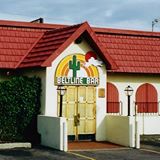
The Beltline Bar, a Grand Rapids Michigan Fixture is at the center of an outbreak investigation. According to the Grand Rapids Press, at least 10 individuals have called the health department reporting symptoms of norovirus.

The Kent County Health Department says it received more than a dozen calls from people who said they ate at the Beltline Bar last weekend and became ill. Department spokeswoman Lisa LaPlante tells The Grand Rapids Press (http://bit.ly/1m7MRi6 ) the symptoms were consistent with norovirus.264590_10150279668530743_4366177_n
There was no answer early Thursday at a telephone listing for the restaurant.

This message was posted at the Beltline Bar’s Facebook page:

Dear Valued Customers & Friends,

My name is Jeff Lobdell, I am the owner of the Beltline Bar. Tonight it was reported that the restaurant is being investigated for a possible norovirus incident that may have happened over the weekend. Nothing like this has happened in the restaurant’s 60 year history, but we are taking this very seriously. The health, wellness and safety our guests and staff is the most important thing to us. We serve as many as 1000 people a day & pride ourselves on our many years of exemplary sanitation and safety. This single incident is a reminder that the norovirus, which has become more prevalent in all public places is very powerful and there that you can never be too cautious. We want to thank the Health Department in their assistance in helping us ensure that we go above and beyond all suggested measures to protect our patrons and employees. I ask that anyone who thinks that may have possibly been affected by this situation personally call me at (616-235-8640) so I can make it right. Your patronage & support is appreciated at this difficult time not only by myself, but also our staff members.

The best follow-up comment on the page is from Janet M Sanders:

They need to screen there employees better when they call out sick! Unless you were infected by the norovirus and lost three days if work from it , I don’t think you can say the whole thing was handled well! How about paying wages and cleaning costs for those affected.


FSA seeking for research on norovirus removal from oysters

Norovirus in oysters is a global issue and the UK Food Standards Agency, home of piping hot, is looking for some research help. As the virus bioaccumulates and is tough to cook out of shellfish, lots of folks are looking for virus removal strategies.Beautiful-Opened-Oyster

According to Fish Farmer, the Food Standards Agency (FSA) is inviting tenders to design and execute a research study to identify and evaluate possible enhancements to improve norovirus removal from live oysters during shellfish depuration processes.

The FSA wants to commission work to quantify and optimise the effectiveness of standard UK depuration practices in reducing norovirus in oysters and to explore the potential for novel approaches to significantly improve the effectiveness of this process.

The study should include reviews of relevant available evidence (published and unpublished) as the starting point for a fully justified laboratory-based project which will improve the controls that can be applied to current UK depuration practices, to reduce the levels of norovirus in oysters sold for public consumption.

Maybe Heston Blumenthal is on the review panel.  If so, research into food handlers working while ill might predictably be next on the docket.

No glove, no love: California edition part 2

AP’s Fenit Nirappil weighs in on the polarization of California’s no barehand contact rule and reports that while McDonalds and other chain restaurants have picked the I’m glovin’ it policy, others are voicing opposition. The arguments have been well established on both sides of the so-called glove rule with common themes revolving around enforcement issues; reducing the quality of the food output; and, as friend of the blog Don Schaffner points out, improper use.549810-300x300

Eating requires a lot of trust. Whether processed on by a foreign company, raised on a local farm or made in a neighborhood coffee shop, I’m trusting in someone to make good food safety decisions. While a company’s food safety program might be set up by a head chef or microbiologist, the folks on the front lines are the real decision makers – they choose whether to show up to work ill or follow correct hand washing behaviors.

No barehand contact may get in the way of food production but if used safely, utensils, paper barriers and gloves become an extra hurdle between dirty hands and food. The law isn’t a guarantee of safe food – the responsibility for safe food lies with the industry.

Nirappil quotes a Sacramento restaurateur, Randall Selland, who says the law is an unnecessary infringement on highly regarded establishments, “If people get sick at my restaurant, they are going to stop coming. You have got to give restaurants some trust.”

I’m not fond of blind trust – I want to buy food from, and eat at, places that have preventative risk-based food safety systems that focus on behavior. I don’t want food from somewhere that relies on not being linked to illnesses as verification that their system works.

According to Nirappil, Ravin Patel, executive chef at Ella near the Capitol, said he didn’t notice much difference in kitchen procedures after moving in 2009 to California from New York, which has prohibited bare-hand contact since 1992. But that doesn’t mean the kitchen staffs in New York restaurants are always wearing gloves. “It just becomes common practice that you don’t touch food as much,” said Patel, adding that New York restaurateurs found ways around the requirement. “When the health inspector comes, you slap on a bunch of gloves.”

Similarly, many New York bartenders still work barehanded, dropping limes into gin-and-tonics but keeping a pair of tongs handy for visits by inspectors, said Aaron Smith, executive director of the U.S. Bartenders’ Guild. Smith also is managing director of the bar 15 Romolo in San Francisco. He says law-abiding employees cannot find an easy work-around for some mixology steps, such as fusing mints and herbs into his bar’s signature, pricey drinks. “They are trying to get expressive oil into the flavor and smell of the cocktail, and you are lacing that with the smell of latex and powder” using gloves, Smith said.

Even gloves can spread contamination if they are not changed regularly, said Don Schaffner, a food scientist at Rutgers University.

“The bigger picture is whether businesses know what the risk factors are and how to control them,” said Ben Chapman, an assistant professor at North Carolina State University who has studied restaurant hygiene. “Having a policy doesn’t mean it actually works … Prove to a patron that your people wash their hands all the time and the right way.”

Utah bill to exempt food volunteers from mandatory food handler training

Ashley Chaifetz, a PhD student studying public policy at UNC-Chapel Hill writes,
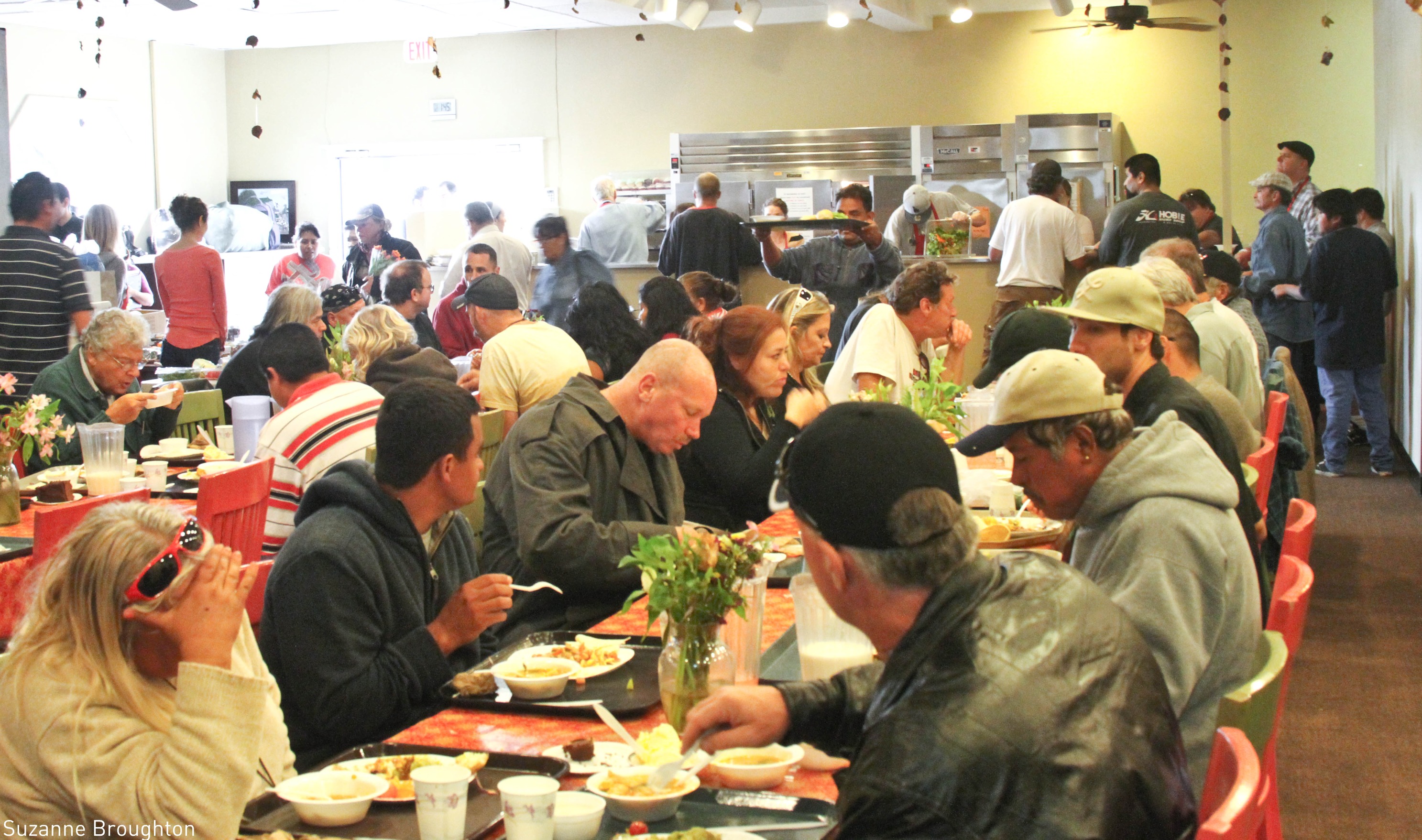
New Utah food safety regulations currently prevent individuals from serving food without a food handler’s permit, although that might change. According to the Salt Lake City Tribune, a bill sponsored by Rep. Steve Eliason will exempt volunteers, who are suddenly unable to serve meals to the homeless, namely at The Road Home. Hunger becomes a secondary concern when one gets foodborne illness.SCSK-Wide-Dine
The bill (HB176) would exempt volunteers from needing the food handler’s permits and Eliason states that they will receive some sort of food safety training. Eliason says “that in 30 years of volunteers providing food in the shelter, there hasn’t been a single case of food poisoning or foreign objects found in the food.”

Maybe. Volunteers aren’t magically immune from making people sick. Amongst the outbreaks, 40 visitors of the Denver Rescue Mission were hospitalized due to Staph aureus intoxication in 2012.

The Road Home has multiple kitchens where families can cook their own meals, but it’s the free food that’s at stake. The families are unable to save money so that they can leave the shelter if they have to purchase food. Nearby shelters and churches suffer as well; respectively, they cannot handle the increased demand for meals, nor do they receive donated meals.

Homeless people are a vulnerable, underserved population that is unlikely to visit a doctor, given its cost, when under gastrointestinal distress. Similarly, homeless shelters and food pantries operate under the Good Samaritan Act, which allows for varying degrees of safety for the distributed foods. A food handler’s permit isn’t a guarantee, but it does mean that each food handler has to have basic knowledge of foodborne illness and how it can be prevented. A good management structure is needed to ensure volunteers follow best practices.

Food served to the homeless should be just as safe as food purchased in a luxury restaurant—and without guidance on food safety and handling, there is little way to guarantee that is the case. Maybe there’s a way for the state of Utah to provide the permits and/or classes at zero to little cost, so that volunteers can access the information.


Governor’s Conference on Ensuring Food Safety: E. coli O157:H7 and other STECs – Progress and Challenges & STEC CAP Annual Conference

Based on recent data from the Centers for Disease Control and Prevention (CDC), Shiga-toxin producing E. coli (STEC) causes approximately 230,000 cases of illness in the United States annually, and slightly more than 1.0% of these cases results in hospitalization and life-threatening complications. A new conference to be held May 27-29, 2014 at the Embassy Suites-Lincoln will present the latest research on STEC and progress in their prevention and control as sources of foodborne illness.image001

The conference will be the first conference combining the annual STEC CAP conference and the Governor’s Conference on Food Safety. Invited speakers are leading experts on the biology and ecology of STEC and its development, transmission and epidemiology as well as experts on regulation and public policy, the food industry and consumer protection.

The research presented at the conference is funded by a 5-year, $25M grant from the USDA that currently involves 15 universities and other institutions nationwide. The universities involved are: University of Nebraska-Lincoln; Kansas State University; North Carolina State University; the University of California-Davis; the University of Delaware; Virginia Polytechnic Institute and State University; the New Mexico Consortium; USDA-Agricultural Research Service; New Mexico State University; University of New Mexico; Texas A&M University; University of Tennessee-Knoxville; Mississippi State University; Eastern Maryland Shore, and Alabama A&M University. Dr. Rod Moxley, Veterinary Science Professor at the University of Nebraska-Lincoln is the Project Director.

“The long-term goal of the project is to reduce the occurrence and public health risks from Shiga toxin-producing E. coli in beef, while preserving an economically viable and sustainable beef industry,” Moxley said. “This can only be accomplished by a multi-institutional effort that brings together complementary teams of the nation’s experts whose expertise spans the entire beef chain continuum and then sharing the research findings through conferences such as this.”

For more information about the conference, see http://www.stecbeefsafety.org/annual -conference.

North Carolina health departments partner with Yelp to provide health inspection information

It’s not often that I’m on the cutting edge of anything. When I am it’s usually because of some association or coincidence. Doug got me into Apple products; Dani’s interest in Instragram spawned #citizenfoodsafety; Don Schaffner’s nerdy coolness got me into podcasting.

I’m really just a poser, and lucky that I hang out with cool people.Screen Shot 2014-03-19 at 4.00.52 PM

And again, by association, I live in a place where my local health department is showing how progressive it is by partnering with Yelp to get inspection results to the masses.

According to the Cary Citizen, the good folks at Wake County Public Health including my friend Andre Pierce have decided to go to where people are already making dining decisions and integrate their info into mix. Clicking on the health score box shows the current inspection results as well as every inspection in the database (going back to 2011). Better than just the score, users can see all the violations and make their own decisions based on all the available risk information.

In a pioneering effort, Wake County is now publishing data about restaurant inspection scores on the social review website Yelp.
 
The Wake County CIO, Bill Greeves, learned of the Local Inspector Value-entry Specification (LIVES) pilot program at a leadership conference and recognized this as an example of transparency in government. Wake County already had the restaurant inspection data available. Being able to share this data with an audience that might be interested in it in the best way possible seemed like a natural fit.
 
Screen Shot 2014-03-19 at 4.06.56 PM“Providing easier access to that information is really what it’s all about,” said Greeves.
Greeves gathered a small team including Andre Pierce, Angela Strickland and Chris Mathews to investigate and implement this exciting new approach to sharing restaurant inspection data. The team worked directly with the technical and marketing personnel at Yelp to develop the necessary data extracts. Some data was in dissimilar formats or had to be scaled to match the levels of the LIVES standard. Chris Mathews explained the value of this data standard:
 
“LIVES affords the ability of scores across separate jurisdictions to mean the same thing – a score of 93 in Raleigh means the same thing as a 93 in San Francisco”.
 
Within six weeks, Wake County was ready to publish the restaurant inspections on Yelp. A launch strategy was planned including local news and social media to announce the availability of Wake’s health scores on Yelp. 

The pizza norovirus meme evolves to cruise ships

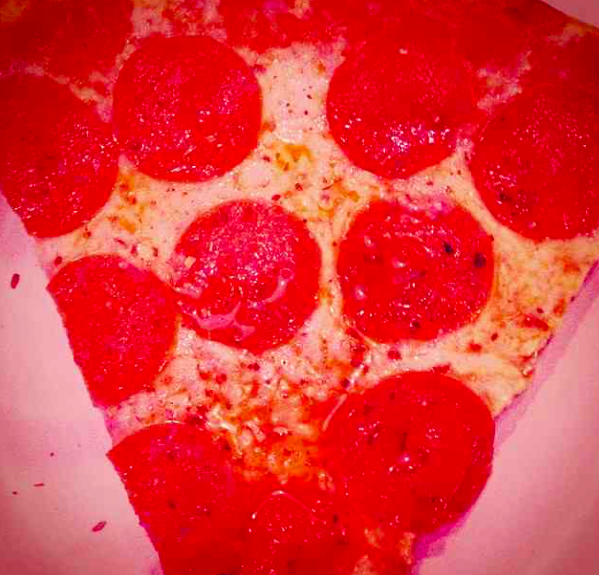
My thoughts on pizza have not changed – even when it is bad it’s pretty good. But no matter how good it tastes, it’s not protective against foodborne illness. A few weeks ago the University of Arizona’s office of official press releases ran out a bunch of info suggesting that researchers found a magic ingredient in pizza that stops the noro. Screen Shot 2014-03-19 at 3.46.29 PM
After reading the paper, I took away that exposing a virus, that sort of acts like human norovirus, but but sort of doesn’t, to carvacrol (a component of oregano oil) for 15 min at a really high concentration you can get get a 1-log reduction after 15 min. Not quite as promising as the headline.
But good headlines, and a lack of critical eyes on the actual paper, begets stuff like what was posted at a site called Natural Society. According to Elizabeth Renter, serving more pizza on cruises would be a good risk management decision.
Recently, hundreds of people aboard a Royal Caribbean cruise fell ill with nausea, diarrhea, fever, and cramping marking their unpleasant symptoms. Norovirus had taken hold of the ship and left many vacationers sequestered to their rooms, unable to eat let alone enjoy their journey. What they didn’t know was that their condition may have been helped by something as simple as oregano oil.
Unlike antibiotics, the researchers say the norovirus wouldn’t likely develop a resistance to carvacrol because it’s attacking just the outermost layers. But it isn’t clear what “other” antimicrobial would be used to attack the internal norovirus once oregano oil has made it’s protective casing vulnerable.
A better fantasy tie in for the original press release and subsequent articles would have been to suggest that teenagers trying to hide pot from their parents by saying the baggie is full of oregano are less likely to get norovirus.

Growing safer garden produce is doable

My grandparents introduced me to vegetable gardening when I was a kid. I used to leave the city for a couple of weeks each summer and visit them in Campbellford, Ontario (that’s in Canada) and they’d put me to work in their garden. I’d pull weeds, pick up fallen tomatoes (for the compost) and help pick green beans. It’s all a bit hazy, but looking back they didn’t let me handle anything that was ready to eat. Probably because I was dirty.Screen Shot 2014-03-17 at 11.41.11 AM

A few years ago my group was asked by the great folks at the NC Department of Public Instruction about the safety of produce in school gardens. As concerns over healthy food choices grew, more schools were asking about growing their own produce and using gardens as a teaching tool as well as a source of food. The food safety team correctly worried about risks.

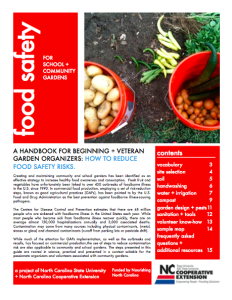
I couldn’t find much in the literature on the about pathogens or even production practices at gardens so I figured a good place to start was to get into the field and figure out what was going on. Ashley Chaifetz, barfblog contributor and PhD student at UNC Chapel Hill worked for a summer to figure out the situation and came up with a short document to get garden organizers started (see growingsafergardens.com for all the materials). As a follow-up, Ashley also conducted an evaluation of the materials with the audience and presented the results at IAFP in 2013.

School and community gardens have a challenge around volunteers and not-so-clean kid hands (like mine when I was eight), but managing risks is doable if someone in charge is paying attention.

According to the Australian Institute of Food Safety, Ausveg, an Australian produce industry group has concerns about community garden organizers ability to manage pests as well as food safer.

They’re meant to bring neighbourhoods together and encourage an interest in gardening, but Ausveg says that community gardens also pose a serious safety risk for the nation’s horticulture sector.

Lack of Quality Assurance Guidelines Posing Risk of Infestations

“A lot of these gardens may not be in the best nick, so to speak, and the issue we then have is with infestations with either pests or diseases, and then that becomes a threat in itself to commercial horticultural operations that need to comply with strict adherence to quality assurance guidelines,” explained Ausveg spokesperson William Churchill.

He added that if community gardens bring in pests and diseases, commercial growers must take pre-emptive action to stop these problems affecting their crops.

Mr Churchill also took aim at farmers’ markets, commenting that Ausveg also has concerns “about food standards and quality assurance programs that are in place.”

They could start by checking out our document.

Food Safety Talk 57: My Own Tea Mule

Food Safety Talk, a bi-weekly podcast for food safety nerds, by food safety nerds. The podcast is hosted by Ben Chapman and barfblog contributor Don Schaffner, Extension Specialist in Food Science and Professor at Rutgers University. Every two weeks or so, Ben and Don get together virtually and talk for about an hour.  They talk about what’s on their minds or in the news regarding food safety, and popular culture. They strive to be relevant, funny and informative — sometimes they succeed. You can download the audio recordings right from the website, or subscribe using iTunes.1395011368356

The guys started the show by sharing some family traditions including watching Jeopardy and drinking Rooibos tea.

They then discussed some raw milk questions posed by raw milk producer. Don suggested that there was specific scientific evidence to answer many of them. He also wondered about the scientific basis of some of the information presented in a recent RMI webinar.

Don then shared that he’ll be podcast cheating again on an upcoming Raw Food Real Talk episode on cottage food. The guys then transitioned to a recent cheese related Listeriosis outbreak affecting members of the Hispanic community. While health authorities have released some information on illnesses and the product there are many questions that are still to be answered.

After a false start and then covering the last part of the IAFP History, the 2000’s, Ben put out a call to listeners for important outbreaks and food safety landmarks that Ben and Don could discuss in the upcoming Outbreak Flashback segment. It will be groovy. And have a disco theme.

The guys then turned to pizza and Alton Brown, who Don went to see live. Alton had dropped the pizza base before cooking it and that got Don worried about what message this was sending. Ben was amused by Alton’s Twitter feed and fascinated by his earlier career. While on the pizza topic, Ben found some really stretched science reporting of this research article. The press release reminded the guys of Betteridge’s law of headlines. The answer is always no.

The discussion of media reminded Don of this Andrew Gelman post about how to get your university press release reprinted by The Washington Post. Don concluded that the best practices for engaging people are also despicable. Ben suggested sometimes science-types need to go to where people are engaged and sort of play the same game. To quote Merlin Mann from 43 Folders: “Joining a Facebook group about creative productivity is like buying a chair about jogging.”

To finish off, Ben raised the issue of consumers not following label instructions, as was the case with E. coli in Nestle Toll House Cookie Dough. Ben wanted to know how consumers learn about products and how to use those products.

In the after dark the guys covered Picturelife, and Siri not having what Don was looking for, which he posted on Facebook.

Providing safe samples at farmers markets

I’m all for less regs, not more, and letting producers define and implement best practices. In my version of the Hunger Games, the folks who do the best for food safety tell customers about it win the marketplace.

The best industry groups seek out experts to help them figure out the best way to reduce risks. Others do little, or worse, wait for regulations to tell them what to do.stockpic-produceStand

When our group started working with farmers markets a few years ago we created a strong partnership with the North Carolina Department of Agriculture and Consumer Services. Together, with funding from the North Carolina Tobacco Trust Fund, we developed best practices and engage directly with market managers and vendors through workshops and on-site visits.

Throughout the project, former graduate student Allison Smathers saw some risky practices when it came to providing samples – stuff like dirty equipment and a lack of hand washing. The same factors that led to an E. coli O157:H7 outbreak linked to cantaloupe samples in a Colorado farmers’ market in 2000. Since 2010 the curriculum we developed has been delivered to over 1000 managers and vendors and we’ve got some data that shows it led to some infrastructure and practice changes. All the farmers’ market food safety stuff we have can be found here.

According to the Daily Planet, folks in Minnesota, worried about the restrictive nature of public health laws are trying to clarify their current laws to allow for farmers to provide samples – as long as they are following some sort of risk reduction practices.

Market operators are concerned that Minnesota laws governing food safety haven’t kept pace with the farmer’s market boom. The Minnesota Farmers’ Market Association for the last year has worked with state officials to craft legislation that spells out the health regulations for handing out food samples and doing cooking demonstrations. The result of their negotiations isHF2178, sponsored by Rep. Bob Barrett (R-Lindstrom), which was approved Wednesday by the House Agriculture Policy Committee and referred to the House Floor.

When asked by a regulatory authority, the bill directs people to provide information such as the source of the food or the equipment used in its preparation.

Cecelia Coulter, founder and market manager of the Chisago City Farmers Market, said current laws don’t specify how cooking demonstrations and food samples should be handled at these markets. “This bill is significantly important,” she said, “as it will enable all Minnesota farmers markets, including those in outstate Minnesota, to conduct food sampling and cooking demonstrations without the regulatory hurdles that current policies require but while closely following the existing food code to insure food safety for our public.”

But do the vendors value food safety and follow the best practices?