
From the weird world of celebrities comes word that actress Kate Beckinsale travels with Kerrygold grass-fed butter.
 “I find it quite hard to get ahold of,” Beckinsale says. “If I’m going from one city to another, I’ll put some in my suitcase to make sure I have it. I’m the crazy person traveling with butter.”
This raises a major question: Is that safe?
It’s a little tricky, Darin Detwiler, PhD, director of the Regulatory Affairs of Food and Food Industries program at Northeastern University, tells Yahoo Lifestyle. “Butter is interesting because there is dairy in it, but it’s mostly fat,” he says. “And fat doesn’t exactly help bacterial growth.”
But there are a few things that can happen if you don’t refrigerate your butter, especially if you keep it out for a long period of time or don’t refrigerate it at all, Detwiler says. One is that it can go rancid. “You’ll know right away,” he says. Another is that you can get foodborne bacteria like E. coli or salmonella, which can grow on the butter and infect you. Finally, if you leave your butter out, there’s more of a chance for cross contamination with other foods and bacteria that may be in your kitchen. “The more you leave it out, the more you’re leaving it open to cross-contamination or the bacterial growth,” Detwiler says. “You really have to take that into consideration.”



 total, 37 children under the age of two fell ill, with 28 of them being hospitalized.
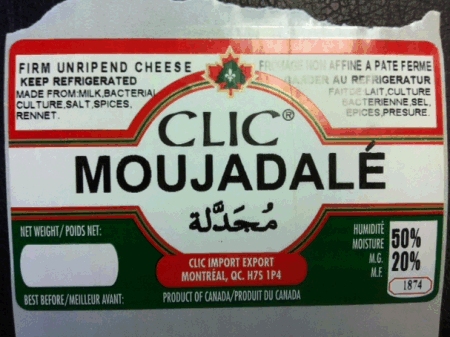 several products had been missed. The manufacturer has ceased production at its facilities and the CFIA working with them to make sure other products manufactured by the company are safe to consume.”
 and dozens others. My guess is these distributors have no idea what’s in the products they are hawking and it takes weeks to track down such info. If a food processor really knows its suppliers, it should take hours or minutes to figure out if the suspect ingredient is in some kid’s peanut cracker snacks or Kirstie Alley’s Jenny Craig bar (she’s not with the program anymore? Oh).
 The inspection reports were provided by Georgia officials in response to a request made by The New York Times under the state’s open records act. State officials said they could not release two recent inspection reports from 2008 because of the ongoing investigation into the plant. …