
"Right now you can sicken and kill your customers, and [companies] have no consequences other than embarrassment in the marketplace."
That’s what I told My Health News Daily. Jail time may help – it’s that embarrassment thing – but, "The biggest thing that can be done is that anyone producing or selling food needs to adopt a culture of food safety that puts not making your customers sick as your first priority. If your  customers are dead or dying, it’s not easy to make money.
"It’s not up to government to produce safe food. It’s up to producers to know how to produce safe food," Powell said.
Fifteen years ago this month, an outbreak of E. coli from unpasteurized apple juice sickened 60 to 70 people, killed a 16-month-old girl from Denver and caused 14 children to develop a serious kidney condition that can require lifelong dialysis treatments.
The federal case brought against juice maker Odwalla resulted in the first criminal conviction for foodborne illness, although no one in the company served time in jail. The company was fined $1.5 million for distributing contaminated juice — the largest fine ever issued in the United States for food poisoning.
James Dickson, a food safety expert and professor at Iowa State University said, "Food isn’t sterile. The only way you would ever get away from foodborne disease outbreaks is if you refused to allow the sale of any raw product in the marketplace.”
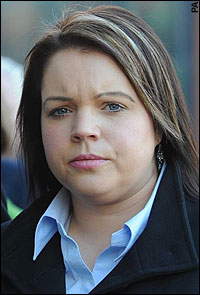 sentenced to eight months in prison by Mold Crown Court.
 Regulating Work Office.
 supervising and managing food safety will face up to ten years in jail for dereliction of duty or abuse of power in the case of a severe food safety incident.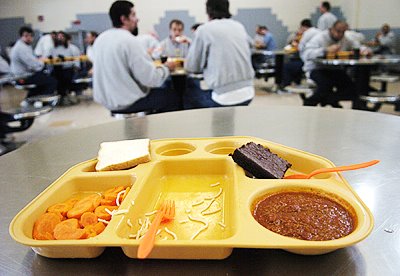
 regulations define exactly what information should be publicized and under which government departments.
  penalties for those who knowingly market unsafe food.
.jpg) hours of community service, and pay $315 in restitution after the incident.
hours of community service, and pay $315 in restitution after the incident. Today he was sentenced to six years in prison.