
According to Thanhnien News, 33 outbreaks resulting in over 2000 cases of foodborne illness have been linked to cheap, work-provided lunches in Vietnam this year, including one a couple of weeks ago. National health officials blame poor local oversight over kitchens.
Nice support from folks that are supposed to work together.
Lunch for workers at a shoe factory in Binh Duong Province is mostly rice and a little pork and vegetables.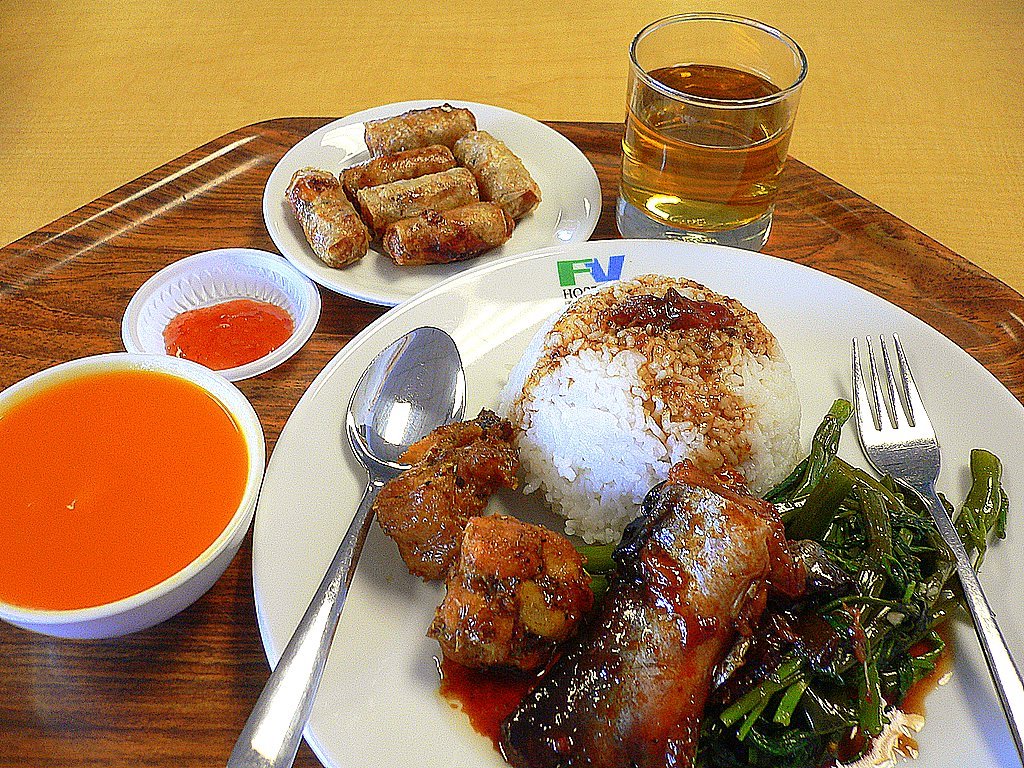
The mass food poisoning suffered by 441 workers at the factory on October 21 was a reminder of the unhealthy factory lunches provided in Vietnam, which has been a major cause of wildcat strikes and the fact that its productivity is among the lowest in the world.
Truong Thi Bich Hanh, vice chairwoman of the Labor Union in Binh Duong, an industrial hub with 150,000 companies, said at least 8 percent of them pay only around 40 cents for a worker’s meal, or less than half the price of a cheap meal at a street eatery.
At least 33 cases of mass food poisoning involving 2,302 people, most of them factory workers, have been reported across the country this year.
Nguyen Thanh Phong, head of the food safety department at the health ministry, said the cost of the meal is too low to ensure quality.
“Low-quality ingredients easily suffer bacterial or toxic contamination,” Phong said, adding that some kitchens even use ingredients that are already spoiled.
He also blamed local authorities for failing to monitor hygiene in factory kitchens, many of which are open for a long time before receiving any food safety and hygiene checks.
 accessories.
(1)(2).jpg) bugs such as E. coli, salmonella and listeria. And here’s the rub: “It’s probably not the foods you think that will make you sick,” Powell says.
bugs such as E. coli, salmonella and listeria. And here’s the rub: “It’s probably not the foods you think that will make you sick,” Powell says.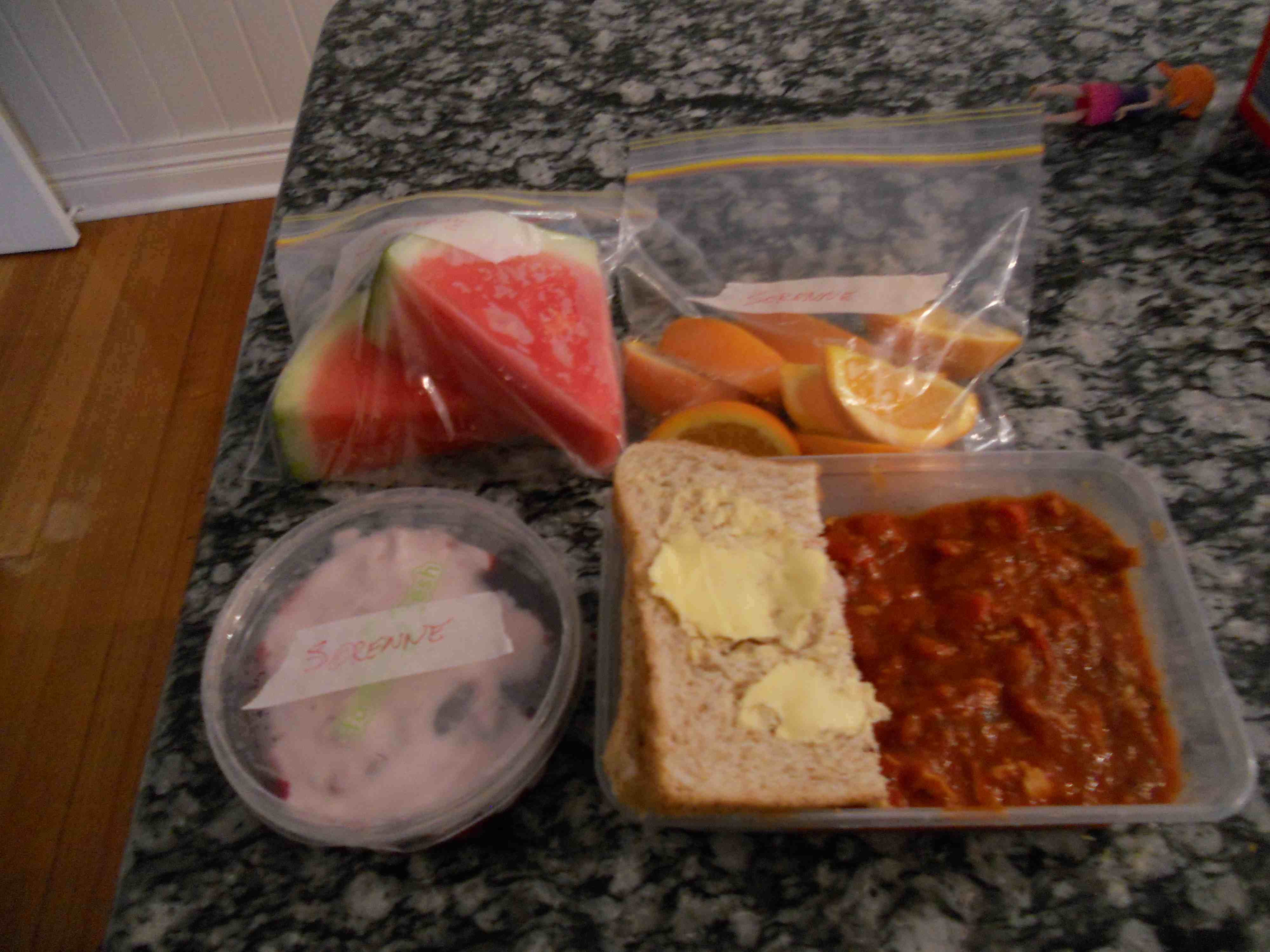
 going for about $1.20 each) and apple slices. Everything is labeled Sorenne, and it goes into the fridge as soon as we arrive. Seems like a good system.
(1).jpg) would anyone pay for stuff that could be made at home for nothing when parental-types bought the food.
would anyone pay for stuff that could be made at home for nothing when parental-types bought the food. I’ve packed a lot of lunches over a lot of years and 5 daughters. Didn’t use ice packs. Did use a variety of cooler bags given out as swag at conferences that would keep things cool.
.jpg) money, but the resources and time spent lobbying the politicians and bureaucrats seem to have a low return on investment.
money, but the resources and time spent lobbying the politicians and bureaucrats seem to have a low return on investment. Safe food is food that doesn’t make you barf; food that doesn’t make you barf is based on food safety programs validated with microbiological testing.
  David Theno, who developed the safety program at Jack in the Box before retiring last year, says,
 last year. What stands out is that the U.S. Department of Agriculture initially refused to match suppliers with positive test results as part of an analysis of 146,000 tests for bacteria including salmonella and E. coli.
(1).jpg) That sounds eerily familiar to what happened in the
That sounds eerily familiar to what happened in the