
American researchers report fresh salsa and guacamole often contain diced raw produce, are often made in large batches, and are often poorly refrigerated, which may make them prone to contamination that can cause foodborne illness.
The safety of salsa and guacamole is increasingly important as these foods gain popularity. Since 1973, local, state, and territorial health departments 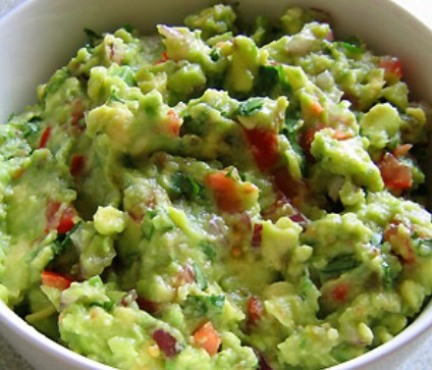 have voluntarily reported foodborne disease outbreaks to the Centers for Disease Control and Prevention’s Foodborne Disease Outbreak Surveillance System (FDOSS) using a standard reporting form. FDOSS used paper-based reporting for 1973–1997 and switched to electronic reporting for 1998–2008.
We reviewed all reports of outbreaks during 1973–2008 in which salsa or guacamole was reported as a vehicle. We found 136 outbreaks in which salsa or guacamole was reported as a possible vehicle, which resulted in 5,658 illnesses.
Of these 136 salsa- or guacamole-associated (SGA) outbreaks additional possible food vehicles were reported for 33 (24%) outbreaks. There were no SGA outbreaks reported before 1984.
Among reported outbreaks, most were caused by norovirus (24%), nontyphoidal Salmonella (19%), and Shigella (7%). Eighty-four percent of outbreaks were caused by foods prepared in restaurants or delis; of these,  19% reported ill foodworkers, and 29% reported improper storage as possible contributing factors.
Among all foodborne disease outbreaks with a reported food vehicle during 1984–1997, 26 (0.9%) of 2,966 outbreaks were SGA, and during 1998–2008, 110 (1.4%) of 7,738 outbreaks were SGA. The number of reported foodborne disease outbreaks attributable to salsa or guacamole increased in the United States from 1984 to 2008, especially in later years, and especially in restaurants.
Fresh salsa and guacamole require careful preparation and storage. Focused prevention strategies should reduce the risk of illness and ensure that these foods are enjoyed safely.
Foodborne Pathogens and Disease. April 2013, 10(4): 316-322
Magdalena E. Kendall, Rajal K. Mody, Barbara E. Mahon, Michael P. Doyle, Karen M. Herman, and Robert V. Tauxe
 salsa de tomate, qui contenait aussi les piments, a été conservée au-dessus de 5°C pendant plus de 4 heures et a ainsi augmenté le risque que des personnes soient malades. Les tomates en dés, en tranches ou en purée peuvent fournir un excellent environnement pour des bactéries comme Salmonella de se multiplier. Il s’agit d’une pratique usuelle mais il est risqué de maintenir la salade salsa et le guacamole à température ambiante pendant plus de 4 heures.
 I’ve never eaten the stuff again (although people in the current household like it, as seen in this nearly empty bowl of guacamole photographed in the most attractive manner I could, last night).
.jpg)
 She pleaded guilty to one count of conspiracy to tamper with a consumer product. In her plea, she admitted that while working as a waitress at the Mi Ranchito restaurant in Lenexa she twice added Methomyl-based pesticide to salsa she prepared.
  County Health Department collected samples of food from the restaurant as well as blood and urine samples from the patrons who became ill. A Food and Drug Administration lab found Methomyl in the salsa. A laboratory at the University of California – Davis found Methomyl in the samples from the patrons.
 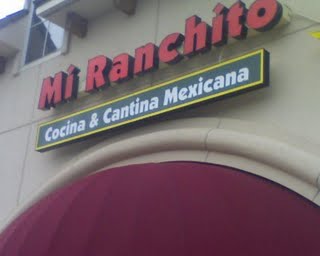 That’s good for one count of conspiring to recklessly endanger other people by conspiring to tamper with a consumer product and two counts of tampering with a consumer product.
 Salsas are typically made with tomatoes, onions, jalapeños, garlic and cilantro. They can also include tomatillos and other produce.