
Ben Chapman

About Ben Chapman

Dr. Ben Chapman is a professor and food safety extension specialist at North Carolina State University. As a teenager, a Saturday afternoon viewing of the classic cable movie, Outbreak, sparked his interest in pathogens and public health. With the goal of less foodborne illness, his group designs, implements, and evaluates food safety strategies, messages, and media from farm-to-fork. Through reality-based research, Chapman investigates behaviors and creates interventions aimed at amateur and professional food handlers, managers, and organizational decision-makers; the gate keepers of safe food. Ben co-hosts a biweekly podcast called Food Safety Talk and tries to further engage folks online through Instagram, Twitter, Facebook, YouTube and, maybe not surprisingly, Pinterest. Follow on Twitter @benjaminchapman.

Outrage over the outage

Ashley Chaifetz, a PhD student studying public policy at UNC-Chapel Hill, writes:

Winter storm Pax pelted North Carolina with an initial dose of snow and freezing rain, and is now traveling north on I-95. Although I’ve been fortunate so far, power outages are already affecting hundreds of thousands of Southerners. Losing electricity can be a nightmare — especially if it is for more than a couple of hours.1920543_10152192564303431_259801825_n
 
Alongside 4,500 of our neighbors, we spent four nights in a row without power in DC in the summer of 2013. It was  hot and humid, with temperatures in the 90s F not C). Our attempts to cook without electricity in the dark felt very much like a modern version of Little House on the Prairie. All I could think was that, if this was hurricane or a snowstorm, we would have had time to prepare (but maybe not).
 
There are currently 800,000 people without power from the snowstorm, leaving many with a food safety situation — a refrigerator with most of last week’s vegetables, defrosting chicken, jars of jams, peanut butter, and tomato sauce, cartons of eggs, chunks of cheese, quarts of milk, and once-canned goods stored in Tupperware. I know I would not be ready to toss all those vegetables into the compost, but depending on the time and temperature, some fridge contents will have to go.
 
According to USDA FSIS’s estimates, a closed fridge will keep its contents at refrigeration temperatures for about four hours and a closed freezer will keep food close to freezing for about 48 hours after the power goes out. If food temperatures rise above 41°F for more than four hours, pathogens within any meat, seafood, poultry, and dairy products (as well as many cooked foods) can grow to problematic levels. There is an increased risk in pastatemperature-abused leftovers made with high-protein foods (meat and meat substitutes); soft cheeses; milk and cream-based products; sliced tomatoes and cut leafy greens; and cooked pasta or rice. In the freezer, if meat, poultry, seafood or dairy products still have ice crystals, you can refreeze them when the power returns. If they are thawed for more than a couple of hours, they can be risky.
 
Making the risk management decision without a fridge/freezer thermometer and a food thermometer is tough and losing a bunch of food can be an expensive lesson. It isn’t a fantastic idea to guess temperatures without a thermometer, either; a guesstimate can increase risk of illness or lead to more waste.
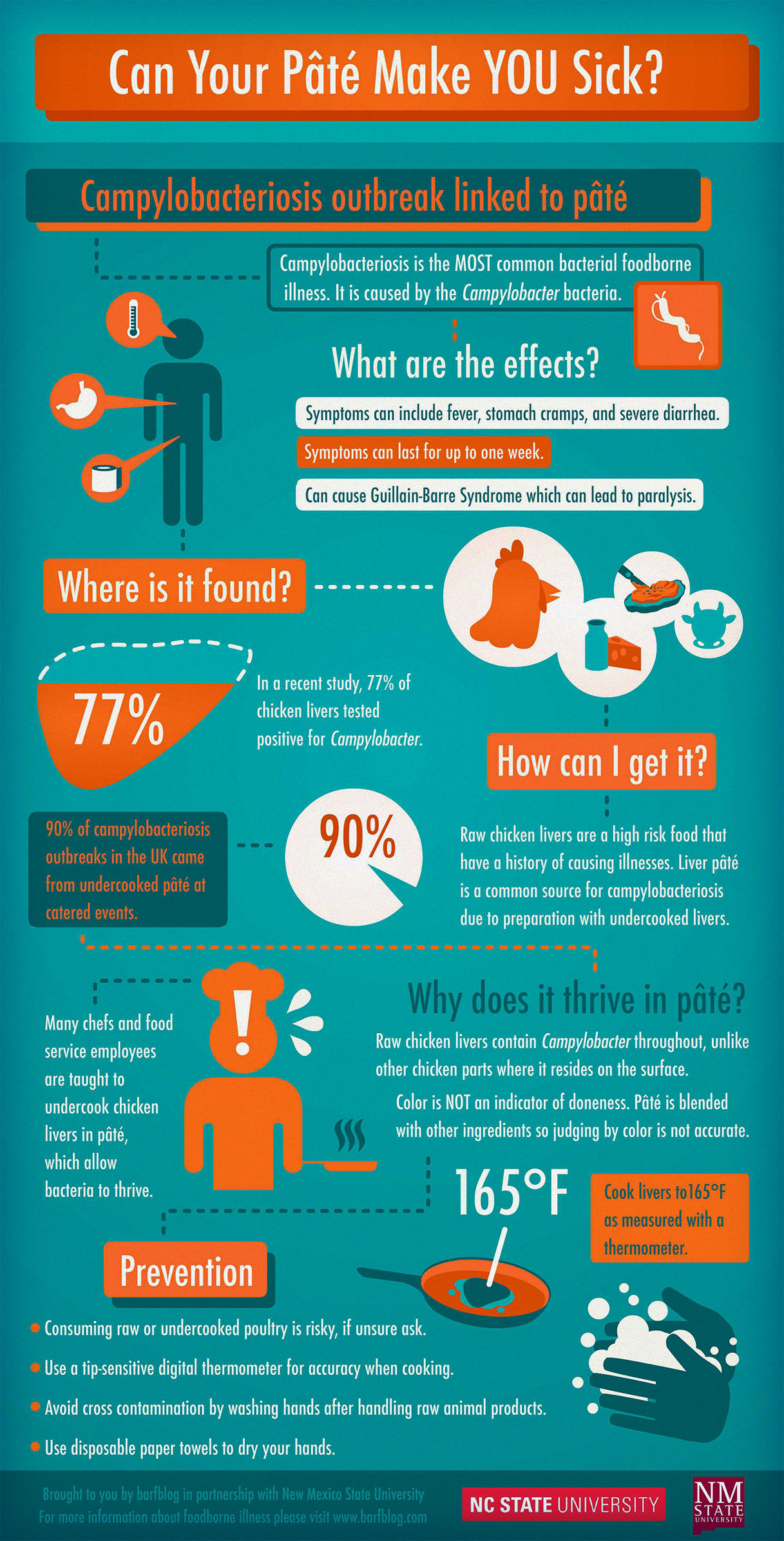
From food safety infosheets to food safety infographics: Can your pâté make you sick?

The concept behind food safety infosheets is to take recent foodborne illness media coverage, and relevant evidence, and provide it to food handlers in a nice package. At first, they were text heavy, boring and weren’t very good. After a couple of years of refinement food safety infosheets turned into tool resulting in measured changes in practices.

If you’re doing the same stuff for 10 years without changing, you’re probably doing the wrong thing.

That’s kind of where we’ve been at with food safety infosheets for the past year. After making a couple of hundred of them we decided the format was getting old and tired. Katrina Levine joined the crew and put some renewed enthusiasm into the storytelling devices – and also suggested that we start making infographics.

After looking at our own lack of skill and capabilities we sought an outside partnership with New Mexico State University Media Productions. They get us; and do fabulous work.

Here’s the first food safety infographic that tells the story of last week’s outbreak of Campylobacter linked to undercooked chicken livers.

Download a pdf of the infographic here.

foodsafetyinfographic-chicken-liver-pate-2-13-14-2

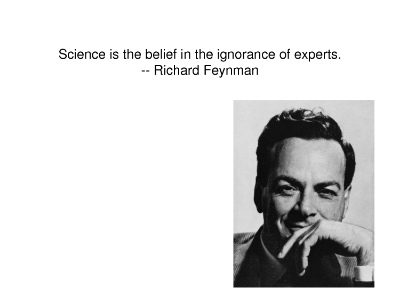
Food Safety Talk 55: Damn Ignorant PhDs

Food Safety Talk, a bi-weekly podcast for food safety nerds, by food safety nerds.  The podcast is hosted by Ben Chapman and barfblog contributor Don Schaffner, Extension Specialist in Food Science and Professor at Rutgers University.  Every two weeks or so, Ben and Don get together virtually and talk for about an hour.  They talk about what’s on their minds or in the news regarding food safety, and popular culture. They strive to be relevant, funny and informative — sometimes they succeed. You can download the audio recordings right from the website, or subscribe using iTunes.

The guys started the show with a teaser about a guest later in the show and reminisced about past guests Mike BatzChris GunterMichelle Danyluk and the infamous Andreas Kiermeier. The guys then followed up on cashew cheese (FST 53) and how to reach food entrepreneurs about hazards an risk management and resources like NECFE or the NMPAN. The guys then wondered about selling food (unregulated) over the Internet, possibly for Bitcoin, and the Swiss Cheese Pervert. And Don remembered Mary’s name.feynman

Then David Gumpert (The Complete Patient) came onto the show. David has written about raw milk and food rights including “The Raw Milk Revolution: Behind America’s Emerging Battle over Food Rights” and “Life, Liberty, and the Pursuit of Food Rights: The Escalating Battle Over Who Decides What We Eat“. The guys invited David to come on the show as a follow-up to FST 53, Raw Milk Hampsterdam, and David’s critique of it. For audiences most interested in raw milk topics, the conversation with David begins at 25:30.

Discussion topics the group touched on included raw milk and consumer choice, including the Raw Milk InstituteDavid’s follow-up post and the Real Food Real Talk – Raw Milk Revealed, the Minnesota study, CDC’s Estimation Methods and Attribution of Foodborne Illness, The Joint FDA/Health Canada QMRA for Listeriosis from Soft-Ripened Cheese and FDA’s failure to attend an IAFP sponsored raw milk meeting.

In the after dark, which begins around 1:30:00, Don and Ben talked about EvernoteHabitsShackelton Death or Glory, and Plan 9 from Outer Space.

NY resort closed due to norovirus outbreak; ill patrons share stories using #MoChunk hashtag

Upstate New York in February is not something that makes me think resort vacation. But what do I know. Mohonk Mountain House, a popular getaway spot in the Catskills, is also the site of a big norovirus outbreak. According to NPR, hundreds of visitors and staff have become ill in the past 10 days.

[The resort]  closed Friday afternoon so that cleaning crews from a company that specializes in disaster responses can scour the place after an outbreak of intestinal illness. The cleanup is expected to take a week. Screen Shot 2014-02-07 at 10.36.36 PM

Kyle Bonner, a 21-year-old graduate student at Monmouth University, and his partner were among the guests who got sick. They stayed at the resort last weekend, checking out Sunday morning. “I’m still not feeling well. I was sick all day Monday and Tuesday,” he tells Shots. His partner was treated for dehydration at a hospital ER in New Jersey after they got home.

“What bothers me the most is that there was a large conference a few days before we arrived and many of the participants contracted the same virus,” Bonner in a review on the website TripAdvisor.

Bonner [says] that he didn’t need to go to Mohonk last weekend. The resort should have told him and other guests that there was a “fast-moving virus” on the premises so they could have changed their plans.

Quite a few attendees of a meeting of at the resort late last week got sick. Many made the best of it with on Twitter. You can read their accounts by searching for the evocative hashtag #MoChunk.

A message to the resort’s staff was reprinted in the Times Herald-Record and included the below explination for closing:

Over the course of the last few days, it has become increasingly clear to us that the virus that has caused illness among staff and guests is very persistent.

Working with the Ulster County and New York State Departments of Health, we have already implemented many recommended measures to address this issue and have determined that further action needs to be taken.

After careful consideration of our options, we have decided that the best course of action is to close for a week and hire a contractor that specializes in this type of work to sanitize the property.

Mohonk Mountain House is taking a unique step to close for a week to clean and sanitize the site; actions like that are often only seen on cruise ships. An unstated benefit of closing for a week is that any staff who are ill should have time to recover from their symptoms and get past the high-shedding stage – without the temptation to show up to work sick.

Six cases of campylobacteriosis linked to chicken liver

Food safety infosheet highlights:

-At least 6 people who consumed raw or undercooked chicken livers, mostly chicken liver pâté have been infected with Campylobacter in Washington and Oregon.Screen Shot 2014-02-07 at 6.57.43 PM

– A recent study found that about 77% of raw chicken livers are contaminated with Campylobacter.

– Multiple outbreaks of Campylobacter infections linked to chicken livers have been reported in the United Kingdom and Australia.

Click here to download.

Bacon jam recalled in Alberta due to Clostridium botulinum risk

Bacon jam (a Canadian phenomenon) hasn’t had a good year. A version of the spreadable meat was the source of an outbreak of Staphylococcus aureus affecting over 200 people at Toronto’s Canadian National Exhibition in August. The jam, with a pH of 5.8 and water activity of 0.97, was stored unrefrigerated and served to fair goers on cronut hamburgers.bacon-spread-recall

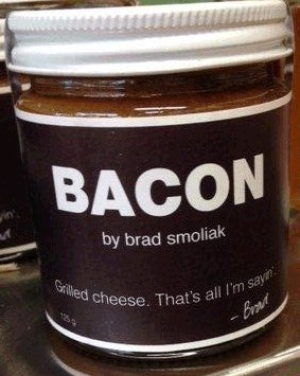
A similar jam produced by Kitchen by Brad Smoliak has been recalled in Alberta after Canadian Food Inspection Agency officials said that the product could permit the growth (and subsequent toxin formation) of Clostridium botulinum.

Recalled products
Brand Name: Kitchen by Brad Smoliak
Common Name: Bacon by brad smoliak
Size: 125 g or 125 ml
Code(s) on Product: Best Before 14 MA 14 and 14 JL 14

This recall was triggered by Canadian Food Inspection Agency’s (CFIA) test results. The CFIA is conducting a food safety investigation into other production codes, which may lead to the recall of other products. There have been no reported illnesses associated with the consumption of this product.

Kitchen by Brad Smoliak, practicing good communication has the following on their website:

I learned today that certain batches of my Bacon Jam, or Bacon by Brad Smoliak, product may permit the growth of Clostridium botulinum, or the bacteria that can cause botulism.
I deeply regret the concern and uncertainty this may cause you. I am a chef that lives in a culture of food safety. I have an unwavering commitment to keeping your food safe with standards that go beyond regulatory requirements. I acknowledge that my best efforts failed and I am sorry.

The same day we learned of this possibility, we worked with the Canadian Food Inspection Agency (CFIA) to execute a full recall of the product. There have been no reported illnesses associated with the consumption of this product. The recall does not include any other Kitchen by Brad food product. The affected product was made in an off-site manufacturing facility and not at Kitchen.

I understand that your confidence in my products may be shaken, but I commit to you that my actions today and in the future will always be guided by putting your interests first.

From Smoliak’s comments it sounds like a copacker was used for this product. Practicing good communication is fine but choosing a service provider who can identify hazards and actually employ correct control measures for each recipe is a smart business decision.

Norovirus causes Canadian curlers to toss cookies as well as rocks

I took up curling for a year in my twenties as a social activity. Once a week I’d drive out to the club north of Guelph (that’s in Canada) and try not to fall as I slid 40lbs of granite down the ice while someone swept in front of it.

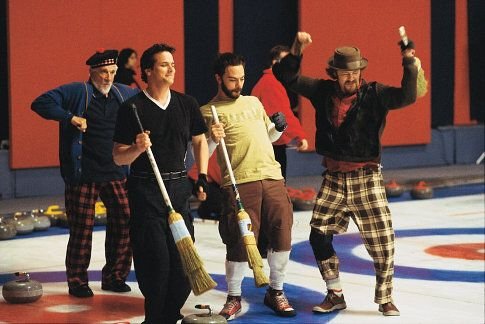
Well portrayed in the underrated Men With Brooms, curling remains the only athletic activity I’ve consumed beer while playing.brooms

It’s also the only sport I still have a shot at playing in the Olympics in (based on age).

When it is on television I’m strangely drawn to the yelling and shuffleboard like non-action. The Scotties Tournament of Hearts, Canada’s annual national women’s championships is currently taking place in Montreal and according to CBC, a norovirus outbreak is affecting teams and tournament officials.

The illness kept six players out of the morning draw, when Saskatchewan’s Stefanie Lawton (4-1) downed Quebec (1-6) 8-4 with only three players on her team.

Kesa Van Van Osch was the lone player missing in the afternoon, but then her lead Carley Sandwith had to quit after two ends, leaving them with only three.

Quebec was missing second Brittany O’Rourke in the morning. They got her back for the afternoon session, only to see her leave again after eight ends.

“She threw up in the third and the sixth ends, and finally got off the ice,” Allison Ross said of her teammate. “We’re in contamination mode.”

Battling the bare hand contact rule

Public discussions over a no bare hand contact rule (or glove rule as some folks refer to it) continues to get heated in California. As the industry and regulators trade barbs in the media, the focus moves into chef’s rights and away from public health.

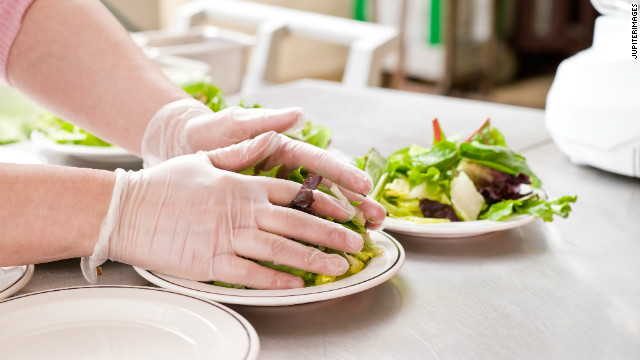
Focusing on just no bare hand contact (or not) misses the bigger picture. Outbreaks happen because of lots of factors. Bare hand contact is one of them. That’s what I told Betty Hallock of the Los Angeles Times:120709044644-glove-cook-preparing-salads-story-top

“[Making safe food is] not about gloves or not gloves,” says Ben Chapman, an assistant professor at North Carolina University and contributor to Barfblog.com, which covers food safety issues. “It’s are you doing the right things when you’re touching food, whether you have gloves on or not.”

But chefs aren’t convinced. Many think the ban will bring about more detrimental habits. And added costs.

“The Band-Aid of a blanket glove regulation is potentially dangerous,” says Neal Fraser, chef-owner of the Beverly Boulevard restaurant BLD. “People get into the tendency to not wash their hands.”

Dyanne Weiss of the Liberty Voice expands on Fraser’s thoughts in parallel coverage.

Several concerns, however, have been raised about the efficacy of banning direct use of hands by restaurant workers and make the use of gloves questionable as a solution. The first is a health concern raised by a hand hygiene study conducted by the CDC’s Environmental Health Services. The researchers collected data on hand washing and hygiene behavior in 321 randomly chosen restaurants in several states, including California. They found that workers washed their hands well for 27 percent of the food preparation activities where washing is recommended. When gloves were used, hand washing was even less likely to occur.

This echoed findings from a 2005 study where more than a third of restaurant workers acknowledged that they did not always change their gloves in between handling raw meat or poultry and ready-to-eat food.  Getting hands dirty handling meat made workers want to wash their hands, but the gloves gave a false sense of sanitation. Another issue raised by the glove requirements is the plastic waste created if all restaurant workers switched out single-use gloves for each item prepared. Oregon dropped its restaurant worker glove requirement last year for environmental reasons.

Yep, there’s data that says food handlers do dumb things with gloves, can lead to less handwashing and might have a false sense of safety. Missing from the discussion is a more recent look at inspection violations in restaurants linked to outbreaks compared to those that haven’t been traced to illnesses. Petran and colleagues published the results in a 2012 Journal of Food Protection article and have data that shows a bare hand contact violation is twice as likely to occur at a norovirus outbreak-linked restaurants than what the authors call a nonoutbreak restaurant. Other food handler factors that seem to matter for norovirus outbreaks: single use and single service articles (relative risk of 8.82 when comparing outbreak to nonoutbreak restaurants) proper eating/tobacco use by staff (of 5.88) and cross-contamination (2.21).

Hallock writes that the rule has hit the sushi community particularly hard.

For decades, Toshiaki Toyoshima has followed the same ritual each morning at his downtown restaurant: He ties on his indigo happi — a short-sleeved Japanese chef’s jacket — and dons a white cap before he begins cutting fish for nearly 500 customers who dine at Sushi Gen daily.

But in January, Toyoshima’s tradition-bound routine was upset. He had to add a step: A new law now forces him to snap on a pair of thin vinyl gloves before he can touch the fish.
But the normally stoic Toyoshima can’t hide his frustration. Having to wear gloves, he says, is the worst thing that has happened to him in 48 years as a sushi chef.

“I don’t feel connected to my food,” says Toyoshima, known to diners as “Toyo-san.” “It’s like I’m not making sushi with my own hand.”

“The whole idea of making sushi is to touch it, feel it,” Toyoshima says. “It comes from within, and then through my hands.”

I don’t want to eat anywhere where something from within ends up in my food via someone’s gloved or ungloved hands.

Boar gore

Ashley Chaifetz, a PhD student studying public policy at UNC-Chapel Hill writes,

Marco Island, Florida police recently killed a wild boar running down a boardwalk towards beach as fearful beach-goers watched. In an effort to utilize the carcass for good, the dead boar was subsequently donated to the St. Matthews House, an organization that provides food and housing for those in need. Michael Braun of the News-Press writes that the dead boar was delivered and would be sent out for processing.bilde

“When someone donates wild game we will try to use it to feed the residents,” he said, adding that donations of wild game or fish are made to the organization several times a year.

“People find different ways to donate,” Burns said. “When we get a donation we try to put it to good use.”

The pig will be sent to a local hog farmer who will then process the meat. Following the completion of all regulated inspections and preparation guidelines, Burns said, chefs with SMH Catering will use the meat as a meal option for shelter residents and Justin’s Place Recovery Program participants.

It is legal to hunt hog in Florida, as long as they are killed humanely. They can be found in all 67 counties. Wild hogs can carry Brucella and Salmonella amongst other pathogens – all of which can be addressed by paying attention in carcass/meat handling and cooking. Eating an undercooked hog or boar (or dressing it without gloves) increases risk of a brucellosis infection. Since the volunteers at St. Matthew’s house aren’t likely trained in processing or meat hygiene, sending the carcass out for expert attention is a good idea.

Whole foods bans biosolids – but does it matter for food safety?

Ashley Chaifetz, a PhD student studying public policy at UNC-Chapel Hill writes,

Whole Foods announced recently that they are banning produce grown with biosolids (also  known as its less-friendly moniker, sewage sludge), which sounds pretty awesome. But it’s hard to know if the new rule makes their products safer. Biosolids are a fertilizer that comes from municipal waste. Treated human poop. Like composted animal manure, it’s seen as a way to enrich the soil.  According to the U.S. IMG_4169Environmental Protection Agency (EPA), sludge is used on less than 1% of agricultural land and promotes the growth of agricultural crops, gardens and parks.

Sewage is full of whatever it is that people consume or flush and can sometimes include pharmaceuticals and heavy metals. But the abundant fertilizer mix is treated, through what EPA says are physical, chemical and biological processes to remove contaminants and solids. The sewage is then treated with lime to lessen the smell and it is all sanitized to control pathogens.

The EPA has 2 tiers of standards regarding sludge. The National Academy of Sciences has looked at the outputs and states “the use of these materials in the production of crops for human consumption when practiced in accordance with existing federal guidelines and regulations, presents negligible risk to the consumer, to crop production and to the environment.”

According to NPR’s The Salt, even Whole Foods doesn’t think the ban changes much.

Whole Foods spokeswoman Lindsay Robison tells The Salt that biosolids were banned in the name of transparency and being consistent with the U.S. Department of Agriculture’s National Organic Program, which doesn’t allow the material on fields where any certified organic product is grown. But, she adds, the company’s new biosolids ban won’t actually impact any of the company’s growers because, as far as the company knows, none of them use the material.

Some soil folks have weighed in on the ban, suggesting that Whole Food’s approach here is more about marketing and business decisions than food safety.

This is a resource that’s really undervalued,” says Sally Brown, a soil scientist at the University of Washington who has been studying biosolids for over a decade. “If you do the carbon accounting, you see that biosolids actually capture carbon, unlike synthetic fertilizer, which is what farmers would otherwise be using.”

The opposition to biosolids comes from the fact that people are still uncomfortable with any material made from human waste, even if it’s been heavily processed and treated, Brown notes.

“People have been taught that poop is dangerous and it makes you sick, and so they’re suspicious of it,” she says. “And municipalities have done a terrible job of communicating what they do and what wastewater treatment really is.”

So where does the Whole Foods ban come in?

“Whole Foods,” says Brown, “made a business decision rather than a sustainability or environmentally based decision.”