
Sorenne starts a new kindy at the end of Jan. 2013, which is the end of summer in Brisbane.
Because it’s now the beginning of summer (google schoolies and Gold Coast), I went to an information meeting last night for new parents, which was also the annual general meeting and incredibly dull.
My neighbors already refer to me as grumpy, but this was over the top; and I had an  engineer friend to share our collective quinquagenarian grumpiness.
We were the only two 50-somethings in the crowd; the other parents probably thought we were the grandparents of our respective 4-year-olds (and that’s apparently going to happen soon enough).
I haven’t heard such nonsense about sustainability since I had to debate self-proclaimed environmentalist types about genetically engineered foods 12 years ago.
(I was told by a current child care type this morning that every center is working sustainability into everything to comply with government funding requirements; yet they still require vast amounts of paperwork because e-mail is somewhat baffling, and that paper has to be protected in a plastic enclosure; my friend said they must go through a lot of toner.)
We heard about all the things the kids did in the past year, like plant a garden and harvest and eat their own produce, the beehive they established, how they had potlucks with exotic foods, and all the reptiles they got to pet over the year.
But when the nice lady talked about how they had a nude food policy – food without packaging, and encouraged healthy foods, but that refrigeration was only offered for lunches — I dutifully raised my hand.
“My daughter arrives at 8 a.m., and you want healthy snacks, like produce, but afternoon tea isn’t until around 2ish so that’s six hours at room temperature. Isn’t there a health risk there?”
Three parents immediately chimed in and said, don’t be dumb, just put it in a little cooler.
I’d like to see the verification studies of microbial growth on cut produce in one of those coolers and six hours of temperature abuse (it gets a little hot here in the summer; and spring; and fall).
I didn’t pursue the issue any further, but earned the wrath and derision of a bunch of use-stereotype-here-like-hippie-yuppie-earthtone parents who will hate me next year.
I love my work.
And this report from Emerging Infectious Diseases will get passed on to the kindy.
Salmonella spp. infection represents a major public health problem in the United States; nearly 1.4 million human cases and 600 associated deaths are reported each year (1). Reptile and amphibian exposures might cause >70,000 of these  cases annually (2). Furthermore, children are at increased risk of acquiring Salmonella spp. and experiencing severe manifestations of disease (3,4). Given the increasing popularity of reptiles and amphibians as pets, reptile- and amphibian-associated salmonellosis is a substantial public health concern (5).
The public has a generally low level of awareness that Salmonella spp. can be acquired from reptiles and amphibians (6); a poll conducted by the US Centers for Disease Control and Prevention (CDC) during 2003 showed that as few as 4 of 49 states require pet stores to provide information about salmonellosis to persons purchasing reptiles (4). A Food and Drug Administration ban, activated in 1975, on the sale of small turtles subsequently prevented an estimated 100,000 cases of salmonellosis in children each year (7). To further reduce the risk of reptile- and amphibian-associated salmonellosis, the CDC has issued recommendations advising that children <5 years of age avoid contact with reptiles and amphibians and that these animals not be kept in childcare centers. The CDC also recommends that all persons wash their hands after handling reptiles and amphibians (8).
We reviewed the regulations as of December 2011 for childcare centers in all US states aimed at preventing reptile- and amphibian-associated salmonellosis. To gather these data, we searched the websites for each state’s public health department or the state’s equivalent of an early childhood learning agency. When searches on the Internet did not yield the desired information, the appropriate state agencies were contacted by phone or email. In some instances, we corresponded with the designated State Public Health Veterinarian.
Overall, only 50% of states had regulations that required staff and/or children to wash their hands after touching any animals in childcare centers. Twelve states banned reptiles from childcare centers; 3 of these 12 states also banned amphibians, and these were the only states we found to have banned amphibians from childcare centers. While some states did not allow potentially dangerous or harmful animals in childcare centers, a minority of these states went further to expressly ban reptiles as well (of the 23 states that banned potentially dangerous or harmful animals, 8 states also banned reptiles). One state (Colorado) explicitly banned reptiles, amphibians, and potentially dangerous or harmful animals from childcare centers and also required staff and children in the center to wash their hands after touching animals.
This survey has several limitations. Given the ambiguity in the language used in some regulations and that the language was not standardized between states, we might have misinterpreted some of the documents we reviewed. Furthermore, we might have unintentionally overlooked regulations that were already in place during our investigation, and hence our findings might underestimate the true number of states that have such policies. In some cases, cities and counties have regulations that provide increased protection beyond those implemented at the state level.
In summary, we found great variation between state regulations for childcare centers aimed at reducing transmission of Salmonella spp. from reptiles and amphibians to humans. The discrepancy in the regulations of states that banned potentially dangerous or harmful animals from childcare centers but that did not also specifically ban reptiles and amphibians was paradoxical, considering the well-recognized risk that these animals pose for transmitting Salmonella spp. We do not know how many childcare centers across the United States currently house reptiles or amphibians. However, our data suggest that there is room for revision of the regulations in many states which could in turn augment efforts to prevent Salmonella spp. transmission from reptiles and amphibians. We believe that the recommendations issued by the CDC for the prevention of salmonellosis from reptiles and amphibians (4) could serve as a practical guide as state regulations are updated. Our own experience has indicated that greater collaboration between public health organizations and the agencies responsible for setting regulations for childcare centers can be informative and productive. Similarly, state agencies can work with the pet industry and childcare centers to develop approaches that are mutually beneficial.
Although pets provide many benefits to humans, particularly during the early years of life (9), any exposure that children have to animals must pose minimal risk to the children’s health. Ultimately, keeping reptiles and amphibians out of childcare centers and requiring that staff and children wash their hands after touching animals offers a simple way to better safeguard the health of children while having a minimal effect on practices of childcare centers.
Neil M. Vora , Kristine M. Smith, Catherine C. Machalaba, and William B. Karesh
Author affiliations: Author affiliations: Columbia University, New York, New York, USA (N.M. Vora);EcoHealth Alliance, New York (N.M. Vora, K.M. Smith, C.C. Machalaba, W.B. Karesh)
Acknowledgments
We thank Casey Barton Behravesh, Carina Blackmore, Bryan Cherry, John Dunn, Karl Musgrave, Joni Scheftel, Sally Slavinski, Faye Sorhage, and Carl Williams for their clarification on state and national regulations aimed at reducing the risks of salmonellosis and their advice on conducting this survey. We also thank members and staff of the National Association of State Public Health Veterinarians and the National Resource Center for Health and Safety in Child Care and Early Education for their assistance.
This survey was generously funded by the Mars Foundation and New York Community Trust.
References
Mead PS, Slutsker L, Dietz V, McCaig LF, Bresee JS, Shapiro C, Food-related illness and death in the United States. Emerg Infect Dis. 1999;5:607–25. DOIPubMed
Mermin J, Hutwagner L, Vugia D, Shallow S, Daily P, Bender J, Reptiles, amphibians, and human Salmonella infection: a population-based, case-control study. Clin Infect Dis.2004;38(Suppl 3):S253–61. DOIPubMed
Mermin J, Hoar B, Angulo FJ. Iguanas and Salmonella Marina infection in children: a reflection of the increasing incidence of reptile-associated salmonellosis in the United States. Pediatrics.1997;99:399–402. DOIPubMed
Centers for Disease Control and Prevention. Reptile-associated salmonellosis—selected states, 1998–2002. MMWR Morb Mortal Wkly Rep. 2003;52:1206–9 .PubMed
Pickering LK, Marano N, Bocchini JA, Angulo FJ. Exposure to nontraditional pets at home and to animals in public settings: risks to children. Pediatrics. 2008;122:876–86. DOIPubMed
Centers for Disease Control and Prevention. Multistate outbreak of human SalmonellaTyphimurium infections associated with aquatic frogs—United States, 2009. MMWR Morb Mortal Wkly Rep. 2010;58:1433–6 .PubMed
Cohen ML, Potter M, Pollard R, Feldman RA. Turtle-associated salmonellosis in the United States. Effect of Public Health Action, 1970 to 1976. JAMA. 1980;243:1247–9. DOIPubMed
Centers for Disease Control and Prevention. Turtle-associated salmonellosis in humans—United States, 2006–2007. MMWR Morb Mortal Wkly Rep. 2007;56:649–52 .PubMed
National Association of State Public Health Veterinarians, Inc. Compendium of measures to prevent disease associated with animals in public settings, 2011: National Association of State Public Health Veterinarians, Inc. MMWR Recomm Rep. 2011;60(RR-04):1–24.

 and poultry intermittently excrete substantial numbers of germs
 best producers use techniques – regardless of political ideology – that fit best in their production system in their geographic location.
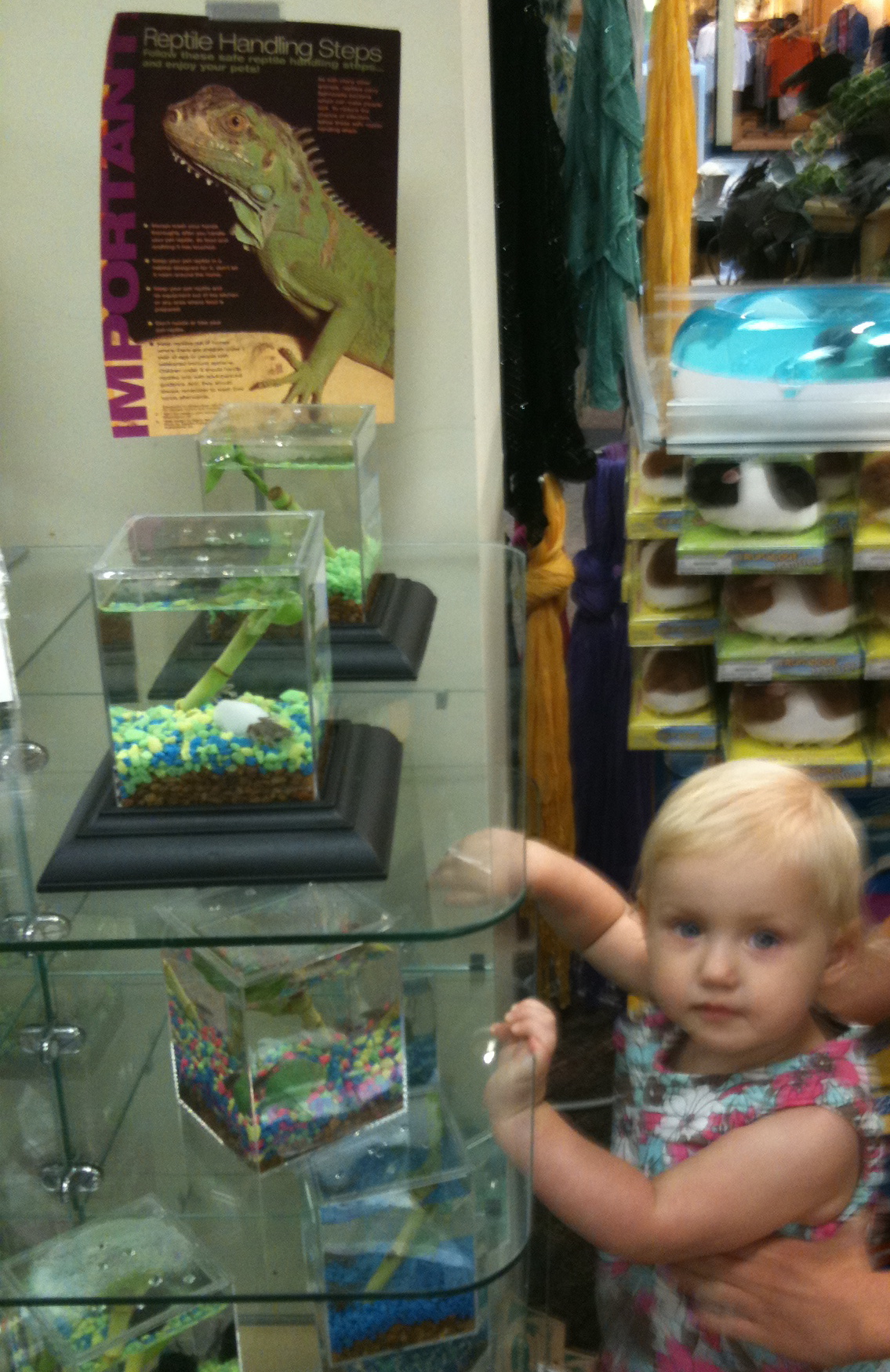 Accompanying the display was a clearly posted warning about handling reptiles. Although frogs are amphibians, I was delighted to see the information. I asked the store staff if I could take a picture. They were taken aback by the request but didn’t mind.
  true, except for this past Friday, when my wife and I were woken up at 3 a.m. by a foul stench coming from our kitchen.
 – Remove the dog’s bed, which is covered in poop and place it in the washer, with detergent and if available, bleach.
 "I know I’m fat, but was Captain Leysath really justified in throwing me off a flight for which I was already seated?" he ranted through his Twitter account to over 1.6 million followers.. "Again: I’m way fat… But I’m not THERE just yet. But if I am, why wait til my bag is up, and I’m seated WITH ARM RESTS DOWN.”
 Pets can be accommodated comfortably and safely in airplane cargo holds, which is where they belong. Airlines must choose to put the needs of their human passengers first, or be forced to do so.
 The American Veterinary Medical Association (AVMA) reports
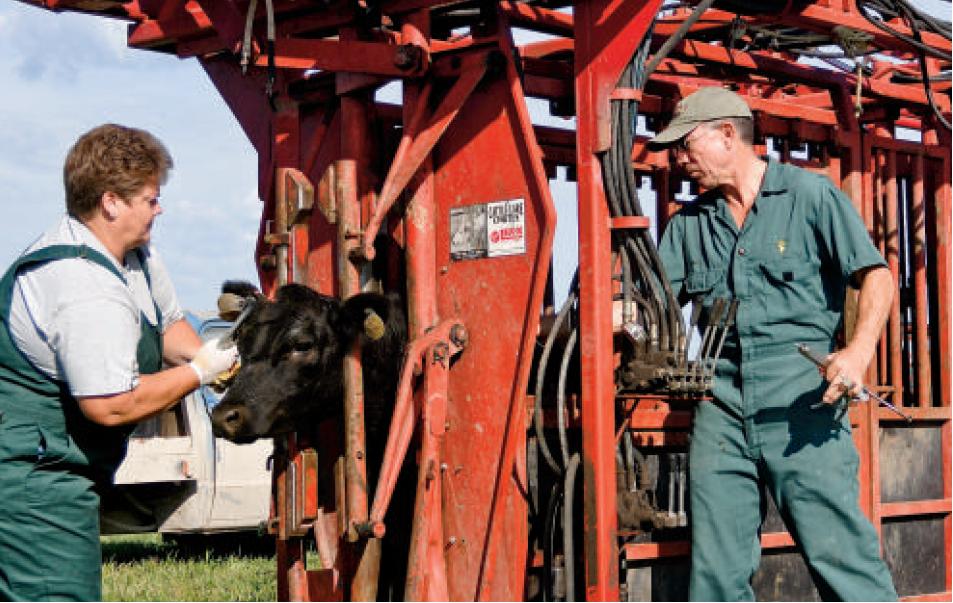 Philip Lowe, from the Centre for Rural Economy at the University of Newcastle, has said the proportion of time vets in private practice spent treating animals used for food halved between 1998 and 2006 – due in part to the fact most vets run their own businesses, and pet owners have proved a more sustainable and lucrative source of income than farmers.
.jpeg) chance that you’ve come across one. A wal-creature is anyone shopping at Wal-Mart wearing outlandish or ridiculous clothing, whether it be too tight or blindingly bright. A wal-creature could be Mimi from Drew Carey. Wal-creatures may be encountered in real life, but more often are photographed and put up on one of my favorite sites:
chance that you’ve come across one. A wal-creature is anyone shopping at Wal-Mart wearing outlandish or ridiculous clothing, whether it be too tight or blindingly bright. A wal-creature could be Mimi from Drew Carey. Wal-creatures may be encountered in real life, but more often are photographed and put up on one of my favorite sites:  I’m pretty surprised that some of these people leave their house dressed as they are. Secondly, I can’t believe how many of these people have been photographed in the store with animals. There aren’t too many Wal-Marts around without a food section, so there’s a very good chance that these animals have accompanied their owners on that side of the store. Peopleofwalmart.com includes photos of wal-creatures with
  In my opinion, the photo with the macaw is the most disturbing. The caption says it best: “Oh no Ms., it’s cool, I love stepping in parrot sh*t whenever I’m buying celery. Nothing says sanitary like a parrot in the produce section…” I cannot believe this lady got away with bringing a giant Salmonella factory into the produce section of a grocery store. I’m a big proponent of service dogs – dogs only. This bird’s rectum is pointed precariously close to the cases of strawberries. Unfortunately the manager at the store couldn’t have done anything about it (whether he was aware of the bird in the store or not). Laws are in place to protect disabled people with service animals from being asked to leave stores. Managers are not even allowed to ask what their disability is (which isn’t overly apparent in this situation) and disabled patrons are not required to show documentation for their service animals. I wish this could be regulated somehow because I have suspicions that the bird isn’t a real service animal, instead it’s just a pet.
.png)