Sorority women stricken with norovirus

Dozens of tri-delts who became sick after a meal at their University of Michigan sorority house were stricken with norovirus.

The Detroit Free Press reports lab results released Wed. by the Washtenaw County Public Health Department confirmed norovirus. Spokeswoman Susan Cerniglia, said the outbreak was “most likely,” the result of food poisoning, but the virus also may have been transmitted through personal contact or shared surfaces at the Delta Delta Delta house near the university.
 

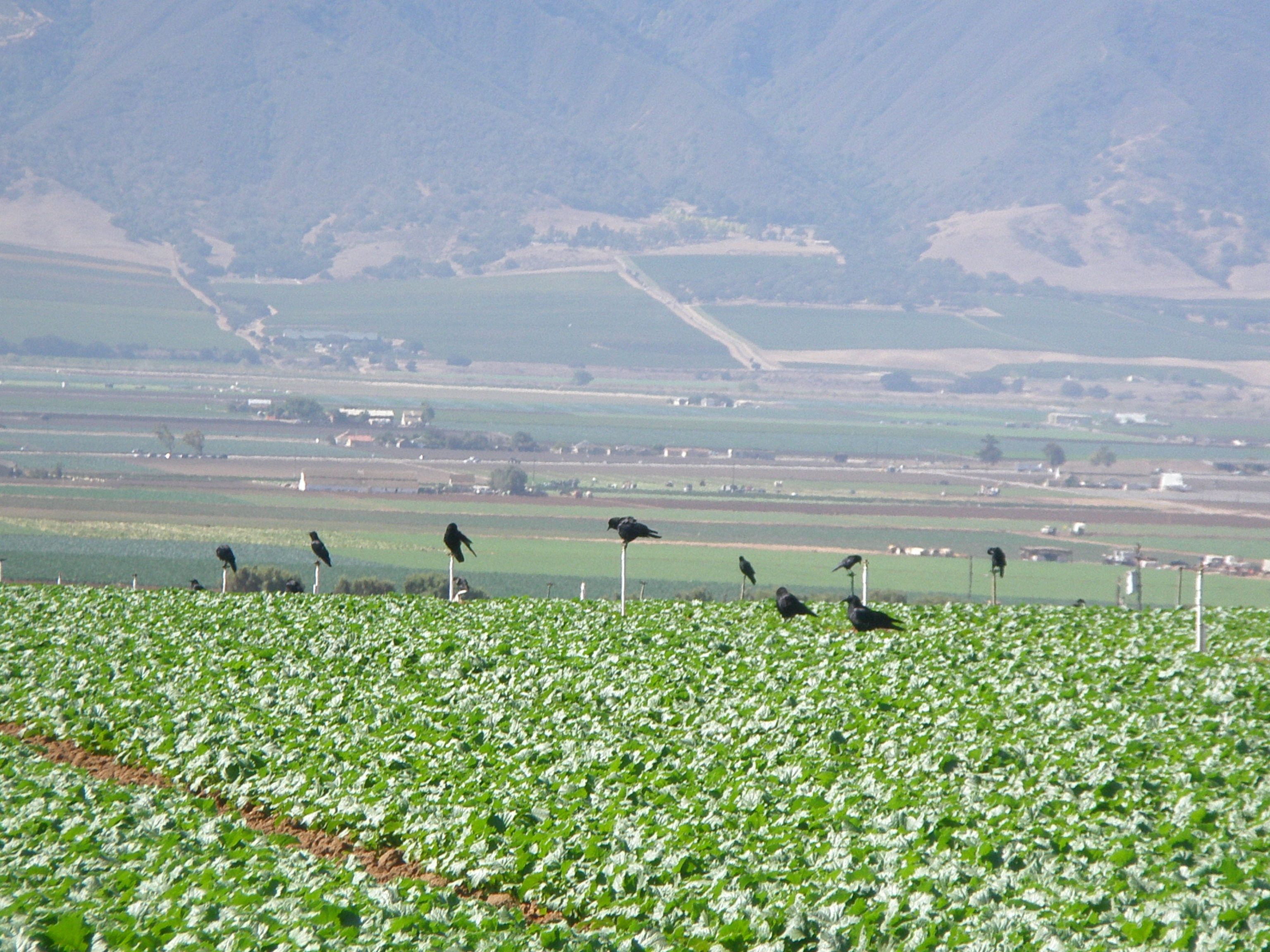
E. coli thrives near plant roots, can contaminate young produce crops

E. coli can live for weeks around the roots of produce plants and transfer to the edible portions, but the threat can be minimized if growers don’t harvest too soon.

Purdue University scientists report in the November issue of the Journal of Food Protection that after adding E. coli to soil through manure application and water treated with manure, the bacteria can survive and are active in the rhizosphere, or the area around the plant roots, of lettuce and radishes. E. coli eventually gets onto the aboveground surfaces of the plants, where it can live for several weeks.

Activity in the rhizosphere was observed using a bioluminescent E. coli created by Bruce Applegate that glows when active. Applegate, a co-author on the project, is an associate professor in the food science and biological sciences departments at Purdue.

"E. coli is actually quite active in the rhizosphere. They’re eating something there – probably plant exudates," said Ron Turco, a professor of agronomy and co-author of the study.

Turco said the E. coli didn’t survive on the plants’ surfaces more than 40 days after seeds were planted. Harvesting produce at least 40 days after planting should reduce the possibility of contamination, but he warned that E. coli could still come from other sources.

Producers should apply manure to fields well in advance of planting and harvesting. Turco said a wait of 90-120 days between manure application and harvesting, with a minimum of 40 days between planting and harvesting, should minimize the chance of E. coli contamination.

Understanding the role of agricultural practices in the potential colonization and contamination by Escherichia coli in the rhizospheres of fresh produce

01.nov.10
Journal of Food Protection®, Volume 73, Number 11, pp. 2001-2009(9)
Habteselassie, Mussie Y.; Bischoff, Marianne; Applegate, Bruce; Reuhs, Bradley; Turco, Ronald F.

Abstract:
To better protect consumers from exposure to produce contaminated with Escherichia coli, the potential transfer of E. coli from manure or irrigation water to plants must be better understood. We used E. coli strains expressing bioluminescence (E. coli O157:H7 lux) or multiantibiotic resistance (E. coli2+) in this study. These marked strains enabled us to visualize in situ rhizosphere colonization and metabolic activity and to track the occurrence and survival of E. coli in soil, rhizosphere, and phyllosphere. When radish and lettuce seeds were treated with E. coli O157:H7 lux and grown in an agar-based growth system, rapid bacterial colonization of the germinating seedlings and high levels of microbial activity were seen. Introduction of E. coli2+ to soil via manure or via manure in irrigation water showed that E. coli could establish itself in the lettuce rhizosphere. Regardless of introduction method, 15 days subsequent to its establishment in the rhizosphere, E. coli2+ was detected on the phyllosphere of lettuce at an average number of 2.5 log CFU/g. When E. coli2+ was introduced 17 and 32 days postseeding to untreated soil (rather than the plant surface) via irrigation, it was detected at low levels (1.4 log CFU/g) on the lettuce phyllosphere 10 days later. While E. coli2+ persisted in the bulk and rhizosphere soil throughout the study period (day 41), it was not detected on the external portions of the phyllosphere after 27 days. Overall, we find that E. coli is mobile in the plant system and responds to the rhizosphere like other bacteria.
 

Politics of the office sustainability committee

I won’t get asked to serve on the sustainability committee.

I got tired of talking about organics, local, genetic engineering and sustainability a long time ago.

There’s good farmers and bad farmers, whatever system they’re using, and I’m more interested in making sure people don’t barf, whatever kind of food they choose.

There are endless scientific reports about which system is better, but they don’t say much. A new report in the Journal of Agricultural and Food Chemistry found that organically grown onions, carrots, and potatoes generally do not have higher levels of healthful antioxidants and related substances than vegetables grown with traditional fertilizers and pesticides.

In the study, Pia Knuthsen and colleagues point the health benefits of organic food consumption are still controversial and not considered scientifically well documented.
 

Salmonella sickens 52 in France

Albert Amgar passed along this story about a salmonella outbreak largely located in middle schools in Poitiers, France.

Health authorities have confirmed salmonella in 52 people, found in ground beef patties.

The distributor that provided the contaminated burgers was asked to recall and destroy the entire lot without delay. The meat was apparently imported.

The story also says a child from the College Henri-IV underwent an unnecessary appendectomy. The female teen, who had a very high fever and violent abdominal pains, was apparently also a victim of this foodborne outbreak.

(Translated by Amy Hubbell)
 

FDA tests confirm listeria at Texas food plant linked to 4 deaths

When state regulators closed SanGar Fresh Cut Produce of San Antonio after linking the plant with four, maybe five deaths due to listeria, on Oct. 20, 2010, Sangar President Kenneth Sanquist Jr. said in a statement,

“The state’s claim that some of our produce now fails to meet health standards directly contradicts independent testing that was conducted on the same products. This independent testing shows our produce to be absolutely safe, and we are aggressively fighting the state’s erroneous findings.”

The U.S. Food and Drug Administration announced this morning they found the same listeria at the facility, matching testing done by the Texas Department of State Health Services at SanGar.

The tests found listeria bacteria in multiple locations in the plant.

Messages left for an attorney for SanGar by The Associated Press were not immediately returned.
 

Food Safety Risk Analysis graduate course available by distance, Jan. 2011

I went to graduate school because the girl I was living with was a veterinary student who had another three years of schooling ahead, so I thought I needed a reason to hang around.

That’s not a good reason to go to graduate school.

I married the girl and had kids but dropped out of grad school.

Distance education may have helped.

The World Health Organization estimates that up to 30 per cent of people in developed countries get sick from the food and water they consume each year and has identified five factors of food handling that contribute to these illnesses: improper cooking procedures; temperature abuse during storage; lack of hygiene and sanitation by food handlers; cross-contamination between raw and fresh ready to eat foods; and acquiring food from unsafe sources.

Food Safety Risk Analysis examines the interwoven roles of risk assessment, management and communication – defined as risk analysis – and applies these concepts to problems and policy development in food safety. This course will aid students in developing the ability to critically examine food safety risk issues from various stakeholder perspectives, leading to risk management and communication activities to reduce the impact of foodborne disease.

A significant portion of the course will focus on the importance of thorough research and good communication skills, as well as the suitability of communication efforts. The emphasis on acquiring and critically evaluating electronic information will assist students in further developing lifelong learning skills. The course will be presented through lectures, case study presentations, and Internet-based support material including text, audio and video through the extensive database maintained by Dr. Douglas Powell of Kansas State University and colleagues in food safety. This course will be of interest to anyone in the food industry, food safety regulators, public health inspectors, food service managers and others.

A complete course syllabus is available here. Or e-mail me, dpowell@ksu.edu.

For enrolment information, visit the Kansas State Division of Continuing Education website at http://www.dce.k-state.edu/ and click on Courses at the top of the page to search for it. Interested individuals can click the Add Class to Interest List button. This will prompt the student to either log into iSIS if they are currently a student and enroll, or provide information about applying to the university if they are not a student.

I have nothing to do with the prices. But at least it’s not a humanities degree (that’s a joke; see video below).
 

barfblog, bites and food safety

There’s no shortage of food safety press releases, repeated and regurgitated using funky new media tools; there is a shortage of evidence-based, incisive approaches that challenge food safety norms and may eventually lead to fewer sick people.

barfblog.com is the fastest way to stay current on food safety issues. Powell, Chapman and assorted food safety friends offer evidence-based opinions on current food safety issues. Opinions must be reliable – with references — rapid and relevant.

Anyone can subscribe directly to barfblog.com and receive an e-mail immediately when something new is posted. Go to barfblog.com and click on the ‘subscribe’ button on the right side of the page.

Food safety infosheets are designed to influence food handler practices by utilizing four attributes culled from education, behavioral science and communication literature:
• surprising and compelling messages;
• putting actions and their consequence in context;
• generating discussion within the target audiences’ environments; and
• using verbal narrative, or storytelling, as a message delivery device.

Food safety infosheets are based on stories about outbreaks of foodborne illness. Four criteria are used to select the story: discussion of a foodborne illness outbreak; discussion of background knowledge of a pathogen (including symptoms, etiology and transmission); food handler control practices; and emerging food safety issues. Food safety infosheets also contain evidence-based prescriptive information to prevent or mitigate foodborne illness related to food handling. They are available in several languages.

The bites.ksu.edu listserv is a free web-based mailing list where information about current and emerging food safety issues is provided, gathered from journalistic and scientific sources around the world and condensed into short items or stories that make up the daily postings. The listserv has been issued continuously since 1994 and is distributed daily via e-mail to thousands of individuals worldwide from academia, industry, government, the farm community, journalists and the public at large.

The listserv is designed to:
• convey timely and current information for direction of research, diagnostic or investigative activities;
• identify food risk trends and issues for risk management and communication activities; and
• promote awareness of public concerns in scientific and regulatory circles.

The bites listserv functions as a food safety news aggregator, summarizing available information that can be can be useful for risk managers in proactively anticipating trends and reactively address issues. The bites editor (me – dp) does not say whether a story is right or wrong or somewhere in between, but rather that a specific story is available today for public discussion.

If you only want to receive specific news, use RSS feeds.

RSS (Rich Site Summary, or Really Simple Syndication) is a format for delivering regularly changing web content. Many news-related sites, weblogs and other online publishers syndicate their content as an RSS Feed to whoever wants it.

If you only want stories about food safety policy, or norovirus, go to bites.ksu.edu and click on that section. Then click on the RSS symbol, and add to your reader. barfblog.com is also available as a RSS feed.

Breaking food safety news items that eventually appear in bites-l or barfblog.com are often posted on Twitter (under barfblog or benjaminchapman) for faster public notification.

These are the various information products we deliver daily, in addition to research, training and outreach. Sponsorship opportunities are available for bites.ksu.edu, barfblog.com, and the bites-l listserv.

Any money is used to support the on-going expenses of the news-gathering and distribution activities, and to develop the next generation of high school, undergraduate and graduate students who will integrate science and communication skills to deliver compelling food safety messages using a variety of media. Research, training and outreach are all connected in our food safety world.

Scores on doors for all Australia?

Lord Young told the U.K. government last month that he welcomed the Food Standards Agency’s decision to “drop the unfortunate title ‘scores on doors’” to describe restaurant inspection disclosure.

The POHMEs (Prisoner of Her Majesty’s Exile) have done their own review of the national food safety system and recommended that scores on doors be rolled out across Australia.

Good for them.

The national food safety review states that two-thirds of the 5.4 million cases of gastroenteritis in Australia each year can be attributed to food poisoning from restaurants, takeaway outlets, caterers and cafes (in a population of 21.4 million).

But, according to The Australian, it warns that the existing 2003 guidelines "may not provide the guidance needed to develop an effective food safety management approach for retail/food service."

Under the existing national rules, local councils inspect food outlets to check they are complying with basic standards for food hygiene and preparation. The safety standards are "outcome-based," replacing prescriptive regulations in each state.

But NSW, Victoria and Queensland have since broken away from the national system, imposing "add-on" requirements for staff working in food service and retailing to attend food training courses.

"State and local governments in some Australian jurisdictions are developing or piloting voluntary schemes that assign a ‘food safety rating’ based on routine inspection outcomes," the consultation paper, prepared for the Food Regulation Standing Committee of federal, state and territory food ministers, says.

"These approaches may provide a ‘positive’ incentive by publicising good food safety performance."

NSW, Queensland, Western Australia, South Australia and Victoria already use websites to "name and shame" companies fined over food safety breaches — yet Victoria has only three prosecutions on its website, compared to 1821 penalty notices in NSW.

Restaurant inspection is a snapshot in time and disclosure is no panacea. But it can boost the overall culture of food safety, hold operators accountable, and is a way of marketing food safety so that consumers can choose.

Food safety shake-up for NZ restaurant inspection

New Zealand restaurants and food service outlets feed 1.5 million people daily.
Food safety is an integral part of this experience. It’s a competitive advantage and an absolute necessity for one of the country’s cornerstone industries; it’s a customer’s expectation and right to buy food, enjoy it and live to tell the tale.

So says Steve Mackenzie, chief executive of the Restaurant Association of New Zealand, writing in the New Zealand Herald.

But the hospitality business is about to get a shake up by way of a long-awaited Food Bill that will focus on food safety. The intent of the bill is to move food regulation in line with other developed countries, by shifting from an inspection-based system to a risk-based approach.

Whereas the present system involves an environmental health officer calling unannounced and touring the premises, the new operations will involve proprietor records, premise inspection and interviews with staff.

The Restaurant Association of New Zealand represents a select group of hospitality businesses and has been involved in consultation and pilot-testing of this new programme. Most association members support the new bill.

Members who participated in trials reported that they liked having control and accountability of their business back in their hands.

Simple documentation procedures, one handy manual covering all food safety aspects and clear guidelines for staff were also useful. In many cases the proposed changes were less onerous than the current programmes.

But with less than 12 months until transition, more than 90 per cent of the country’s eateries haven’t registered. That’s around 13,500 businesses.

A survey in April that confirmed the association’s worst fears: many business operators will wait until the last minute to make changes.

Worse still, many are not aware the changes are coming, and even those who were aware that the review was taking place, more than 55 per cent had little knowledge of the impact that this would have on their businesses in less than a year.

And despite knowing that there is proposed change, 60 per cent of those surveyed have made little or no preparation.

The biggest hurdle as we have seen in our survey results is awareness. There are many businesses that simply do not know they need to make changes.

The association recommends that the select committee working on the bill considers extending the first year transition of high-risk businesses from 12 months to 24, to ensure that under-resourced councils will be able to properly assist with implementation.

Food safety from farm to fridge to garbage can (compost pile)

When in doubt throw it out.

That’s the food safety mantra of help lines, web sites and other food safety sages dispensing wisdom for the masses.

So it’s hardly surprising that according to the New York Times, a quarter to half of all food produced in the United States goes uneaten — left in fields, spoiled in transport, thrown out at the grocery store, scraped into the garbage or forgotten until it spoils.

A study in Tompkins County, N.Y., showed that 40 percent of food waste occurred in the home. Another study, by the Cornell University Food and Brand Lab, found that 93 percent of respondents acknowledged buying foods they never used.

And worries about food safety prompt many of us to throw away perfectly good food. In a study at Oregon State University, consumers were shown three samples of iceberg lettuce, two of them with varying degrees of light brown on the edges and at the base. Although all three were edible, and the brown edges easily cut away, 40 percent of respondents said they would serve only the pristine lettuce.

Personally, I try to minimize the waste by regularly biking to the supermarket and buying food for a couple of days only. I still waste food, especially because I prefer marked down produce about to go bad, and if it’s not used quickly, it goes. Also, we’re a family of three. When I was part of a family of six, there would be some bicycle trips to the grocery store with a kid or two in the trailer, but usually larger quantities of food were kept on hand.

Instead of blaming consumers, maybe the message should be adjusted. When consistently telling people, “when in doubt, throw it out,” there’s going to be a paranoic level of food waste.