It’s steaming hot, like road apples? How is that scientific? Campy campaign fails

While the Brits are busy congratulating themselves on their Campylobacter reduction campaign, the following video from the UK Food Standards Agency crossed my computer.


How can any agency talk science-based, while ignoring the science in public advice about cooking chicken.

And these elaborate videos ain’t cheap.

Way to be duped, British taxpayers.

“The only way to kill germs is to cook chicken thoroughly, making sure it’s steaming hot in the middle.

I’ll go with the Hip.

From the duh files: parents serve up their kids’ food hygiene habits

UK’s Food Standards Agency sure spends a lot of money on stuff the rest of us might go, duh?

roast.chicken.june.10Parents have a big influence on their children’s food hygiene habits, according to a survey by the Food Standards Agency. The results show a link between how people currently prepare their food and the behaviors they experienced when they were kids. More than two thirds of UK adults (70%) said their parents insisted on washing hands before meals, with 62% now doing the same themselves.

Just over half (53%) recalled their parents washing chopping boards in between preparing raw and cooked foods – a behaviour that two thirds (66%) had recently repeated.

However, the survey showed that parents don’t always know best when it comes to food safety. Almost half (47%) of adults saw their parents washing raw chicken before cooking it when they were kids, with 46% revealing that they have done the same in recent months. It is this bad food hygiene habit that is the subject of this year’s Food Safety Week, which focuses on the message ‘don’t wash raw chicken’. Washing raw chicken can lead to a potentially dangerous form of food poisoning and almost a third (32%) of people said the reason they wash raw chicken is that their parents or another relative did so when they were growing up.

Bob Martin, food safety expert at the FSA, said: ‘Our survey suggests that mum doesn’t always know best when it comes to food safety.”

Bob, mom always doesn’t do the cooking, but stick to your sexist, taxpayer-funded message if you like.

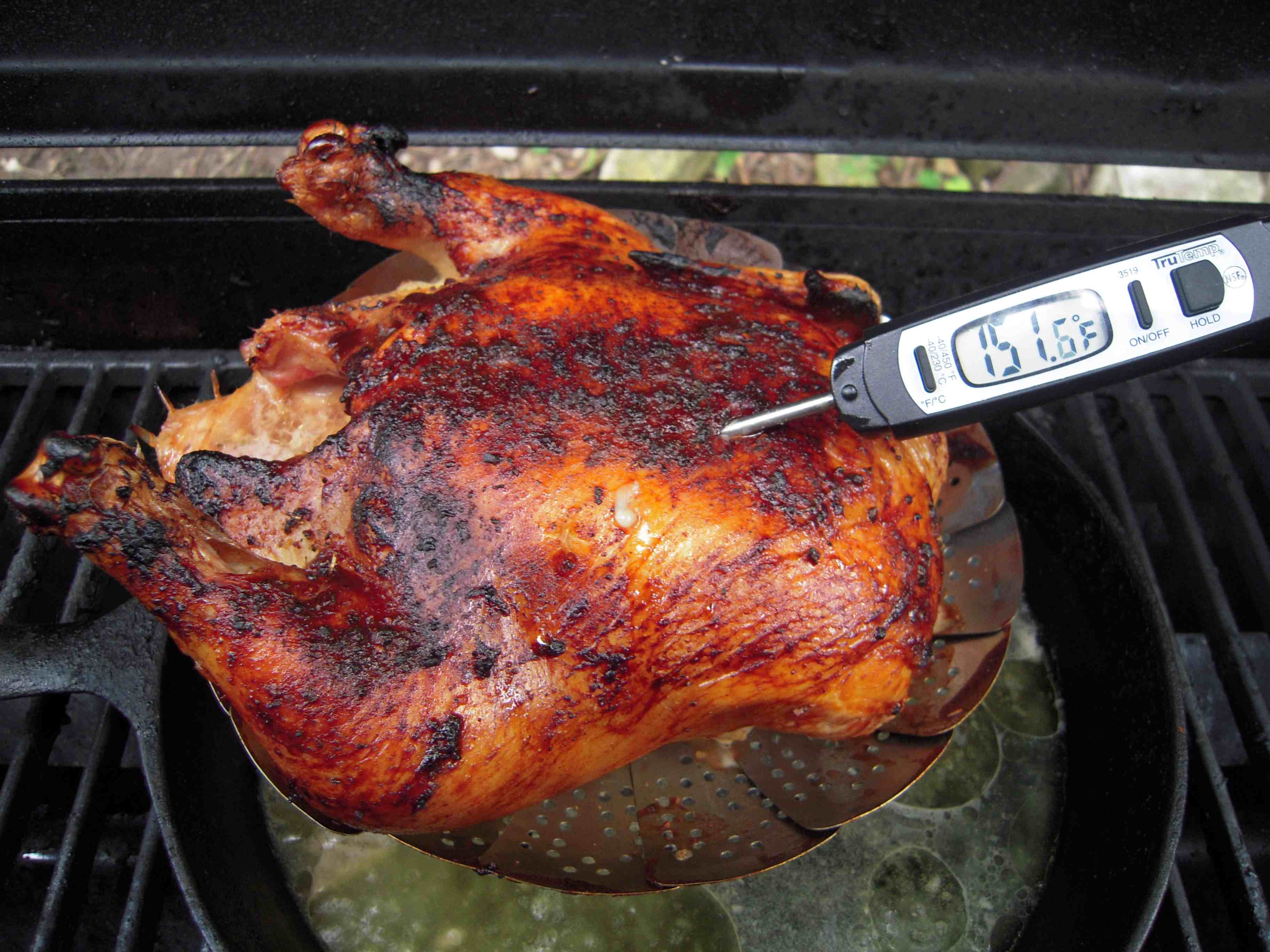
You may want to add the use of thermometers instead of piping hot, regardless of gender.

Stick it in: Australian MasterChef favorite Sarah Todd eliminated in raw chicken boob

I’m so excited by Masterchef Australia I apparently fell asleep on the couch while it was on.

But Amy watched it in bed, and there was a heated discussion about thermometer use.

barfblog.Stick It InNice to see the cooking shows catch up with 15-year-old widely disseminated science.

And better than piping hot.

Sarah Todd, the 27-year-old, from Queensland, was one of the favorites to win this year’s series of the Channel 10 cooking show.

Sarah, a Chadwick model who made headlines when a topless photo shoot of her emerged, stumbled in a cook-off against Colin Sheppard and Tracy Collins.

Even ‘good luck’ batteries ‘for extra energy’ from her three-year-old son Phoenix couldn’t stop Sarah from plating up raw chicken roulade stuffed with apples and mushrooms.

MasterChef Australia judges Matt Preston, George Calombaris and Gary Mehigan refused to taste the dish — and sent Sarah packing.

Playing chicken with Campylobacter

Campylobacter jejuni is the most common agent of food poisoning in industrialized nations. Professor Gary Dykes’ team at Monash University is trying to understand how it not only survives, but how it persists under conditions that should kill it.

FunkyChickenHiThe various species of Campylobacter – 18 have been described to date – are delicate organisms that colonize the intestines of livestock species and live harmlessly as members of their commensal gut flora. Dykes says they are very fastidious in their requirements for survival and growth.

How, then, do they manage to survive and multiply outside the host animal’s body, despite the use of chemical and physical measures to prevent contamination as meat moves through the food-processing chain from the slaughterhouse to the kitchen?

In industrialized nations, Campylobacter food poisoning occurs at an annual rate of between 20 and 150 cases per 100,000 people. Most human infections involve C. jejuni, a commensal species in chickens that survives in raw and undercooked chicken.

Dykes and his colleagues at Monash University have been trying to determine how Campylobacter manages to attach and survive on exposed food processing surfaces and uncooked meat after animals are slaughtered. All this without succumbing to conditions that are unfavourable for them, such as the high levels of oxygen in air.

He says Campylobacter thrives in an environment that contains less than 5% oxygen – well below the natural 20.95% concentration in air.

Paradoxically, despite its preference for living in the warmth of the intestinal tract, Campylobacter struggles to survive at temperatures higher than 20° Celsius outside the body.

In a recent review paper – ‘Campylobacter and Biofilms’ – Dykes and Amy Huei Teen Teh, from Monash University’s Malaysian campus, reviewed research into the microbe’s ability to form biofilms.

They say that while some studies have shown that C. jejuni does form single-species biofilms on abiotic surfaces in the laboratory, not all strains do so, and some of the biofilms are in the form of aggregated cells, pellicles or flocs that are unlikely to occur on food-processing surfaces in poultry processing plants.

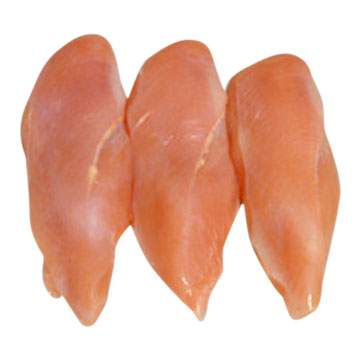
Fresh_Frozen_Chicken_BreastMoreover, most studies have been conducted under static conditions at very low oxygen levels, which do not represent real-world conditions in poultry processing plants.

The few studies made of the microbes under flow conditions have failed to demonstrate that it can form monospecific biofilms under such conditions, and pre-formed monospecific biofilms do not persist at higher flow rates.

Dykes and Teh suggest the fragility of monospecific biofilms of C. jejuni means they are unlikely to be present in poultry plants, where the atmosphere is aerobic and the cells are exposed to high shear forces.

The persistence of the species through the poultry processing chain may thus rest on the species’ ability to form mixed biofilms with other species in the processing environment – studies have shown that such mixed-species biofilms can persist under higher flow conditions than monospecific biofilms of C. jejuni.

They concluded that it is important to understand the mechanisms that contribute to the formation of complex biofilms containing C. jejuni under real-world conditions in processing plants – particularly its interactions with other biofilm-forming species.

Food safety begins on the farm; Campylobacter reduction in UK

Zoe Kay of Farmers Weekly writes that reducing human infection from campylobacter is the Food Standard Agency’s highest priority – and that means farmers through to supermarkets must play their part.

The reason, according to Javier Dominiguez Orive, deputy veterinary director at the FSA, is simple: Each year in the UK there are 460,000 cases of campylobacter food poisoning, 22,000 hospitalisations and 110 deaths, costing the NHS an estimated £540m.

30913_1The bacteria is endemic in the environment, he adds, and can be caught from pets. But chicken is responsible for 60-80% of all human cases.

“Birds from houses that are thinned are eight times more likely to be colonised at the end of the cycle,” Mary Howell, a senior scientific officer at the FSA told the conference. She pointed to the significant biosecurity risk that thinning presents, as well as the movement of modular crates. While these crates are routinely cleaned, this may not be done at a high enough temperature to kill the campy bug.

In addition to not thinning, Ms Howell also recommended sending evenly sized birds for slaughter by employing sexing and an effective culling-out policy as a way of potentially reducing campylobacter.

Veterinary consultant Jane Downes led a UK-wide on-farm project with the aim of demonstrating that biosecurity can work in controlling campylobacter.

Freshly-slaughtered-pluck-007“It is important for farmers to focus on producing safe food and not just see their chickens as animals.”

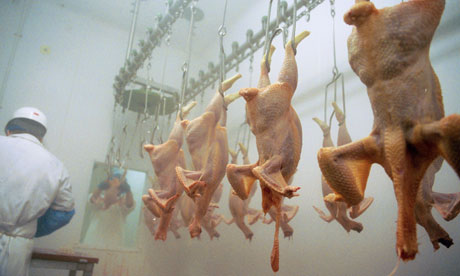
While much of the problem of Campylobacter can be traced back to farms, slaughterhouse practices also play a major part.

Cross contamination by carcass washing is one issue and trial work using barbecue dust has investigated the effectiveness of different nozzle types and settings. A web-based tool has since been developed, allowing processors to learn which measures work for them and compare their performance with others.

Safest food in the world – chicken miracle edition

He couldn’t resist.

In response to a N.Y. Times column about meat that didn’t have much to do with safety, Mike Brown, president of the U.S. National Chicken Council writes, “A system that supports 25,000 rural farm families who chicken.thermraise chickens and produces the safest, most affordable and wholesome chicken on the planet isn’t a racket — it’s a miracle.”

Show consumers the data so we can decide who is the safest.

Shopping for safety, consumers left wondering at Coles

Talk less, do more.

That’s what I’m telling 5-year-old Sorenne as she explains for the eighth time she’s about to go get her shoes on, so we can walk to school.

And after 20 years of food safety stuff, it’s my go-to response to any corporate head of borat.chickenfood safety.

I understand that talking has a role, that meetings have a role, but only if they translate into tangible outcomes. With food safety, for me, that has always meant, will fewer people barf?

A month ago, Amy proclaimed, based on her acquired food safety knowledge, that she may have sickened Sorenne after a serving of frozen chicken thingies from Coles (that’s a supermarket chain in Australia).

The label did not indicate whether they were fully cooked and frozen, or frozen raw.

Raw, frozen not-ready-to-eat entrees purchased in retail and prepared in the home have been identified as a significant risk factor for salmonellosis. From 1998 to 2008, eight separate outbreaks have implicated undercooked chicken nuggets, chicken strips, and stuffed chicken entrees.

I guess someone other than my mother and Ben and Amy read what I write, because someone from Coles e-mailed me in response to the Jan. post to say: “Kansas State’s loss is Australia’s gain and it would be great to talk to you to 1) answer your query on nuggets (apologies it took so long, that’s not acceptable and we will put that right) and 2) to explore opportunities to get your unique insight into Australian retail and your experience’s so far.”

We talked.

He said him and Jackie Healing, who spoke today at the Global Food Safety Initiative shindig in California, would love to come and visit with me and go through a local Coles on a food safety tour.

Those chicken nuggets? Flash fried so the breading sticks, but not cooked to a microbiologically safe temperature. Nothing on the label, no cooking instructions for microbiological safety. How would a consumer know?

I never heard back.

That’s normal; lots of talk, little action. I’ll go hang out with my 5-year-old.

Self-reported and observed behavior of primary meal preparers and adolescents during preparation of frozen, uncooked, breaded chicken products

01.nov.09

British Food Journal, Vol 111, Issue 9, p 915-929

Sarah DeDonder, Casey J. Jacob, Brae V. Surgeoner, Benjamin Chapman, Randall Phebus, Douglas A. Powell

http://www.emeraldinsight.com/Insight/viewContentItem.do;jsessionid=6146E6AFABCC349C376B7E55A3866D4A?contentType=Article&contentId=1811820


Abstract:

Purpose – The purpose of the present study was to observe the preparation practices of both adult and young consumers using frozen, uncooked, breaded chicken products, coles.chicken.breast.nuggets.jan_.14-225x300which were previously involved in outbreaks linked to consumer mishandling. The study also sought to observe behaviors of adolescents as home food preparers. Finally, the study aimed to compare food handler behaviors with those prescribed on product labels.


Design/methodology/approach – The study sought, through video observation and self-report surveys, to determine if differences exist between consumers’ intent and actual behavior.


Findings – A survey study of consumer reactions to safe food-handling labels on raw meat and poultry products suggested that instructions for safe handling found on labels had only limited influence on consumer practices. The labels studied by these researchers were found on the packaging of chicken products examined in the current study alongside step-by-step cooking instructions. Observational techniques, as mentioned above, provide a different perception of consumer behaviors.


Originality/value – This paper finds areas that have not been studied in previous observational research and is an excellent addition to existing literature.


Mathiasen, L.A., Chapman, B.J., Lacroix, B.J. and Powell, D.A. 2004. Spot the mistake: Television cooking shows as a source of food safety information, Food Protection Trends 24(5): 328-334.

Consumers receive information on food preparation from a variety of sources. Numerous studies conducted over the past six years demonstrate that television is one of the primary sources for North Americans. This research reports on an examination and categorization of messages that television food and cooking programs provide to viewers about preparing food safely. During June 2002 and 2003, television food and cooking programs were recorded and reviewed, using a defined list of food safety practices based on criteria icarly.chicken.cell.handsestablished by Food Safety Network researchers. Most surveyed programs were shown on Food Network Canada, a specialty cable channel. On average, 30 percent of the programs viewed were produced in Canada, with the remainder produced in the United States or United Kingdom. Sixty hours of content analysis revealed that the programs contained a total of 916 poor food-handling incidents. When negative food handling behaviors were compared to positive food handling behaviors, it was found that for each positive food handling behavior observed, 13 negative behaviors were observed. Common food safety errors included a lack of hand washing, cross-contamination and time-temperature violations. While television food and cooking programs are an entertainment source, there is an opportunity to improve their content so as to promote safe food handling.

158 sick from Salmonella at Malaysian school

Two out of the seven pupils from Sekolah Menengah Kebangsaan Dato Syed Ahmad, Kuala Nerang, who were treated at Hospital Kuala Nerang (HKN) for food poisoning yesterday were discharged Tuesday.

Kedah Health director Dr Ismail Abu Taat said the five other pupils were undergoing ayam masak merahtreatment and were reported to be in stable condition.

He said the food poisoning was caused by ‘ayam masak merah’ believed to be infected by a type of salmonella bacteria, because the chicken were not preserved properly.

Yesterday a total of 158 pupils at the school had diarrhea and vomiting, 117 pupils received out-patient treatment at the hospital before 110 pupils were allowed to return to the boarding school.

7 prisoners in Tenn. sick with Salmonella from Tyson chicken; compare response with Foster Farms

A link between mechanically separated chicken products from Tyson Foods and an illness cluster in a Tennessee correctional facility was established between seven case-patients at the facility, with two resulting in hospitalization.

Illness onset dates range from Nov. 29, 2013 to Dec. 5, 2013. The U.S. Department of Agriculture’s Food Safety Inspection Service continues to work with the Tennessee FunkyChickenHiDepartment of Helath on this investigation and will provide updated information as it becomes available.    

Tyson Foods, Inc. a Sedalia, Mo., establishment, is recalling approximately 33,840 pounds of mechanically separated chicken products that may be contaminated with a Salmonella Heidelberg strain.

The mechanically separated chicken products were produced on Oct. 11, 2013. The following products are subject to recall:

40-lb. cases, containing four, 10-lb. chubs of “Tyson Mechanically Separated Chicken.”

The products subject to recall bear the establishment number “P-13556” inside the USDA mark of inspection with case code 2843SDL1412 – 18. These products were shipped for institutional use only, nationwide. The product is not available for consumer purchase in retail stores.

416 sick from Salmonella: USDA closes Foster Farms plant over roach infestation

With 416 sick from Salmonella that has been going on for months, the feds finally decided to close a Foster Farms plant in California.

For cockroaches.

I told Beth Weise of USA Today, “It’s probably that USDA (U.S. Department of Agriculture) was getting bad PR so it needed a reason to shut them down. Cockroaches are never FunkyChickenHigood; but neither are 416 sick people.”

Finding roaches in a processing plant isn’t unexpected, said International Association for Food Protection president, Rutgers University food extension guru and beard aficionado Donald Schaffner, “The key question is how many other plants have this frequency of roach noncompliance and were not shut down?”

Federal inspectors on Wednesday suspended processing at a poultry plant in California found to have been infested with cockroaches four times over the last five months.

The on-going outbreak has sickened a total of 416 people in 23 states according to the Centers for Disease Control and Prevention in Atlanta.

However according to the letter sent to Foster Farms CEO Ron Foster on Wednesday, USDA Food Safety Inspection Service staff documented four cases of live cockroach contamination in the plant, on Sept. 14, Nov. 4, Dec. 28 and finally on Jan. 7. The letter was first reported by Lynne Terry of The Oregonian newspaper.

“These recent findings of egregious insanitary conditions related to a cockroach infestation in your facility indicate that your establishment is not being operated and maintained in sanitary condition,” the letter said.

In a statement provided by spokeswoman Karmina Zafiro, Foster Farms said it was first notified of the infestations on Jan. 8 and “closed the Livingston facility immediately for sanitization and treatment.”

No other Foster Farms facilities were affected, according to the statement. “No products are affected. Product production has been transferred to the company’s other facilities.”

Seattle food safety lawyer Bill Marler found it odd that USDA “has the power to shut a plant down when they found cockroaches but doesn’t have the power to shut them down when they poison hundreds of people with antibiotic-resistant salmonella.”