
Persons in congregate work and residential locations are at increased risk for transmission and acquisition of respiratory infections.
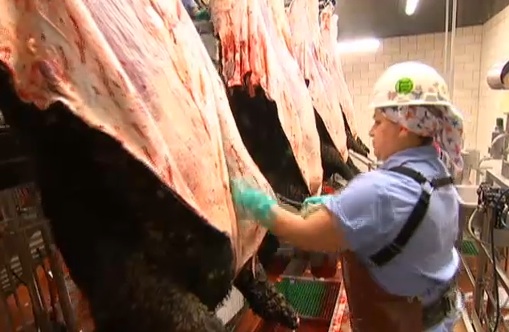 COVID-19 cases among U.S. workers in 115 meat and poultry processing facilities were reported by 19 states. Among approximately 130,000 workers at these facilities, 4,913 cases and 20 deaths occurred. Factors potentially affecting risk for infection include difficulties with workplace physical distancing and hygiene and crowded living and transportation conditions.
Improving physical distancing, hand hygiene, cleaning and disinfection, and medical leave policies, and providing educational materials in languages spoken by workers might help reduce COVID-19 in these settings and help preserve the function of this critical infrastructure industry.
COVID-19 among workers in meat and poultry processing facilities—19 States, April 2020, 08 May 2020
Morbidity and Mortality Weekly Report pp. 557-561d
Jonathan W. Dyal, MD1,2; Michael P. Grant, ScD1; Kendra Broadwater, MPH1; Adam Bjork, PhD1; Michelle A. Waltenburg, DVM1,2; John D. Gibbins, DVM1; Christa Hale, DVM1; Maggie Silver, MPH1; Marc Fischer, MD1; Jonathan Steinberg, MPH1,2,3; Colin A. Basler, DVM1; Jesica R. Jacobs, PhD1,4; Erin D. Kennedy, DVM1; Suzanne Tomasi, DVM1; Douglas Trout, MD1; Jennifer Hornsby-Myers, MS1; Nadia L. Oussayef, JD1; Lisa J. Delaney, MS1; Ketki Patel, MD, PhD5; Varun Shetty, MD1,2,5; Kelly E. Kline, MPH6; Betsy Schroeder, DVM6; Rachel K. Herlihy, MD7; Jennifer House, DVM7; Rachel Jervis, MPH7; Joshua L. Clayton, PhD3; Dustin Ortbahn, MPH3; Connie Austin, DVM, PhD8; Erica Berl, DVM9; Zack Moore, MD9; Bryan F. Buss, DVM10,11; Derry Stover, MPH10; Ryan Westergaard, MD, PhD12; Ian Pray, PhD2,12; Meghan DeBolt, MPH13; Amy Person, MD14; Julie Gabel, DVM15; Theresa S. Kittle, MPH16; Pamela Hendren17; Charles Rhea, MPH17; Caroline Holsinger, DrPH18; John Dunn19; George Turabelidze20; Farah S. Ahmed, PhD21; Siestke deFijter, MS22; Caitlin S. Pedati, MD23; Karyl Rattay, MD24; Erica E. Smith, PhD24; Carolina Luna-Pinto, MPH1; Laura A. Cooley, MD1; Sharon Saydah, PhD1; Nykiconia D. Preacely, DrPH1; Ryan A. Maddox, PhD1; Elizabeth Lundeen, PhD1; Bradley Goodwin, PhD1; Sandor E. Karpathy, PhD1; Sean Griffing, PhD1; Mary M. Jenkins, PhD1; Garry Lowry, MPH1; Rachel D. Schwarz, MPH1; Jonathan Yoder, MPH1; Georgina Peacock, MD1; Henry T. Walke, MD1; Dale A. Rose, PhD1; Margaret A. Honein, PhD
https://www.cdc.gov/mmwr/volumes/69/wr/mm6918e3.htm?s_cid=mm6918e3_e&deliveryName=USCDC_921-DM27591


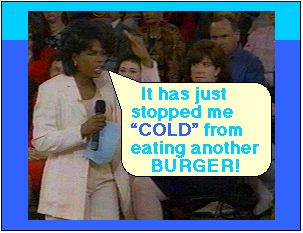


 commercial. Such was the power of Oprah.
 expediting regulations prohibiting ruminant protein in ruminant feeds, boosting
 longer stand) were rendered and fed to other cattle, and that BSE could make AIDS look like a common cold. The chief scientist for the U.S. National Cattleman’s Beef Association, rather than stressing the risk management actions that had been taken, was left arguing that cows were not vegetarians because they drank milk.
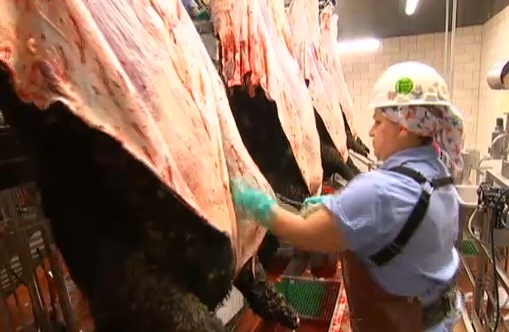
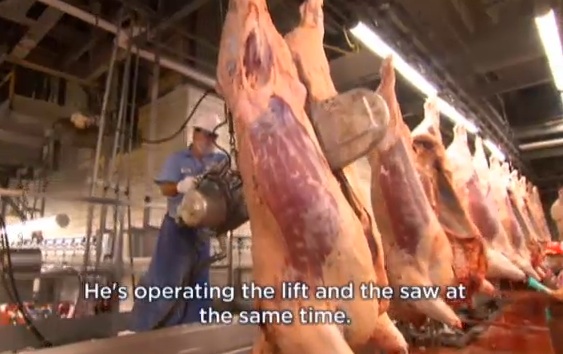
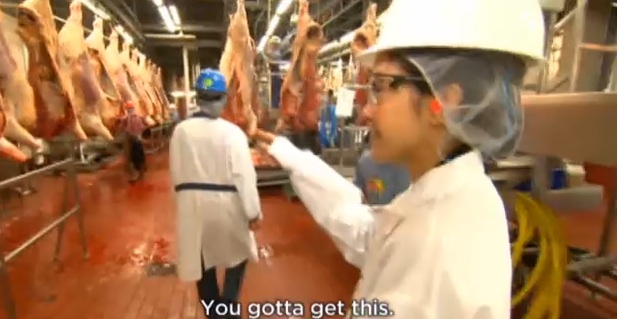
 immediately washed, the skin is removed, and within minutes, the workers also remove the hooves, the hide and the head. The carcass is then moved to a giant cooler, where it stays for up to two days. After it’s been inspected and graded, it’s packaged, loaded on trucks and soon ends up in our local restaurants and stores.
 committed to doing it right. And I believe that when animals are handled with dignity and harvested carefully, that’s the natural order of things,’ says Nicole.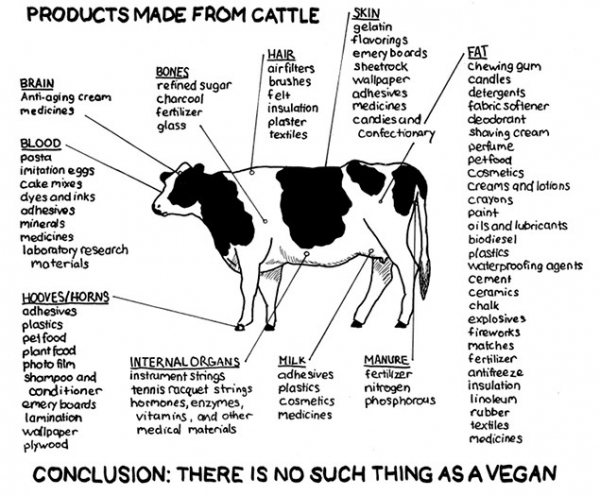

 Sure enough, there was