
If you go to a restaurant and have leftovers, you ask for a doggy bag.
 Any restaurant that knows food safety will bring the clamshell to the table: no one wants your germs back in the kitchen.
A Kapiti Coast restaurant has banned doggy bags, citing health and safety.
“If someone takes food home, doesn’t heat it properly and gets sick, they’ll probably blame us,” Phil Ryan, owner of The Social at Kapiti Lights, said.
“Some people got upset they couldn’t take a burger home, but it’s all about food safety.”
But the Ministry of Primary Industries is clear that food taken home from a restaurant becomes the responsibility of the diner, and Kapiti Coast District Council, along with other councils in the Wellington region, said it had no rules against doggy bags.
The ministry’s website says: “Operators may refuse to let leftovers be taken home because they run the risk their food could be mishandled and then blamed if someone becomes ill.
“If you take the food away, the safety of that food is up to you.”
However, Ryan said most restaurants par-cooked their food, so customers could be reheating their leftovers for a third time, leaving them at risk of getting sick.
 “I would rather have a bad review for keeping people safe than making people sick. It’s not about ripping people off, honestly.”
The Social is not alone in being wary of letting customers take leftovers home. Duck Creek restaurant, in Pauatahanui, tries to stop diners taking chicken away.
“We strongly discourage that,” head chef Dean McFarland said. “If it’s a steak or some chips that’s fine, but chicken can go off too quickly.”

 Twenty-two of those have been admitted to hospital for treatment.
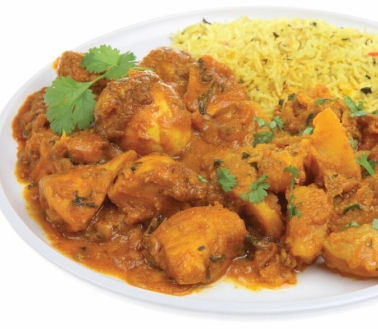 Mohammed Shahid, director of Star Karahi Limited, Herschel Street, appeared at Maidenhead Magistrates Court on Friday last week and was charged with failing to keep food premises clean; failing to effectively clean equipment which food came into contact with; failing to keep articles and equipment which food comes into contact with in good order, repair and condition to minimise any risk of contamination; failing to maintain equipment in good order, repair and condition where it is kept clean and where necessary disinfected and failing to protect food from contamination which could render the food contaminated in such a way it would be unreasonable to expect it to be eaten.
 “Three persons have been confirmed as having salmonellosis. One suspected case has been hospitalised,” the advice said.
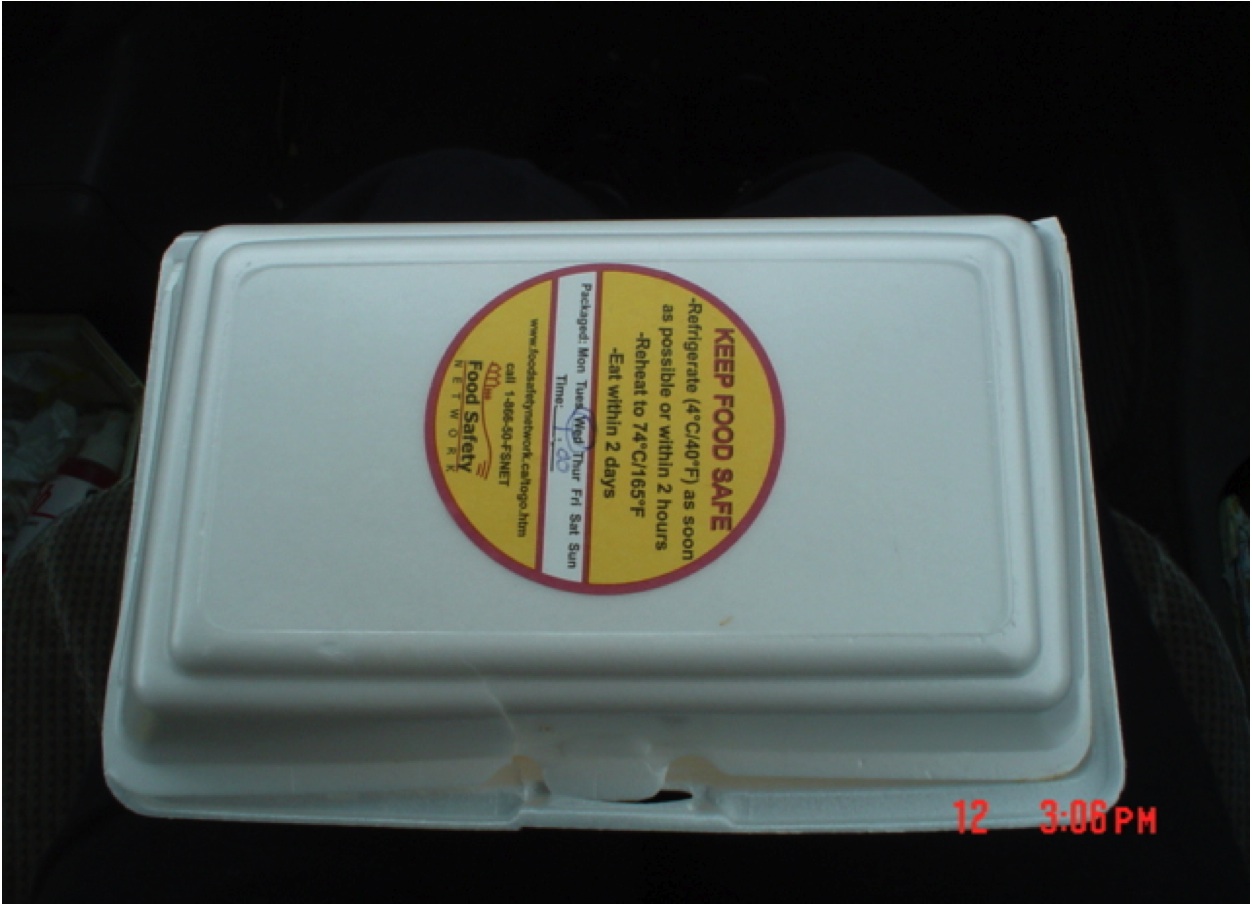
.jpg) They were diagnosed with food poisoning tracked back to the "doggie bags" taken and eaten at home. Amil Aga, epidemiological supervisor at the hospital, reached the conclusion that the leftovers had been left outside rather than in refrigeration for several hours until the extended family got home.
They were diagnosed with food poisoning tracked back to the "doggie bags" taken and eaten at home. Amil Aga, epidemiological supervisor at the hospital, reached the conclusion that the leftovers had been left outside rather than in refrigeration for several hours until the extended family got home. In 2004, my group undertook research to:
 Our
Our 