
Chapman says that while dirty bathrooms can be gross, like the gotcha moments on hidden camera programs, there really isn’t any information that suggests a place with a dirty bathroom is any more or less likely to cause an outbreak than a place with a clean bathroom. Lots of restaurants have separate handwashing facilities in the kitchen, and risk-based inspection systems focus on factors that lead to illness as identified by the CDC and WHO — not the floors, walls and ceilings, and how many flies are on a fly strip.
 But what about on cruise ships?
A team of researchers from Boston University School (BUSM), Carney Hospital, Cambridge Health Alliance and Tufts University School of Medicine, have found that widespread poor compliance with regular cleaning of public restrooms on cruise ships may predict subsequent norovirus infection outbreaks (NoVOs).
This study, which appears in the November 1st issue of Clinical Infectious Diseases, is the first study of environmental hygiene on cruise ships.
Outbreaks of acute gastroenteritis (AGE) often occur in close populations, such as among cruise ship passengers. Recent epidemiologic investigations of outbreaks of AGE confirmed that 95 percent of cruise ship AGE outbreaks are caused by norovirus.
Despite biannual sanitation monitoring and hand hygiene interventions among passengers and crew members, 66 ships monitored by the United States Centers for Disease Control and Prevention experienced NoV infection outbreaks (NoVOs) between 2003 and 2008.
Trained health care professionals evaluated the thoroughness of disinfection cleaning of six standardized objects (toilet seat, flush handle or button, toilet stall inner handhold, stall inner door handle, restroom inner door handle, and baby changing table surfaces) with high potential for fecal contamination in cruise ship public restrooms.
The researchers found only 37 percent of the 273 randomly selected public restrooms that were evaluated on 1,546 occasions were cleaned daily. The overall cleanliness of the six standardized surfaces on each ship ranged from four to 100 percent. Although some objects in most restrooms were cleaned at least daily, on 275 occasions no objects in a restroom were cleaned for at least 24 hours.

.jpg) “The senior vice-president of Wendy’s was here (on Saturday) to inspect the restaurant."
“The senior vice-president of Wendy’s was here (on Saturday) to inspect the restaurant."(1).jpg) So any outbreak of hepatitis A means human sewage came into contact with the food (which then wasn’t cooked) or someone shedding the virus had a poop, failed to adequately wash their hands, and then prepared an uncooked food.
So any outbreak of hepatitis A means human sewage came into contact with the food (which then wasn’t cooked) or someone shedding the virus had a poop, failed to adequately wash their hands, and then prepared an uncooked food.  Oprah begat Dr. Phil, and all was ideal, at least until his ratings started to fall.
 We got picked up by a big car and stayed at a nice hotel in Gotham.
.jpg) On Friday, Amy made a stop at a local plant and produce shop to pick up a pumpkin.
On Friday, Amy made a stop at a local plant and produce shop to pick up a pumpkin.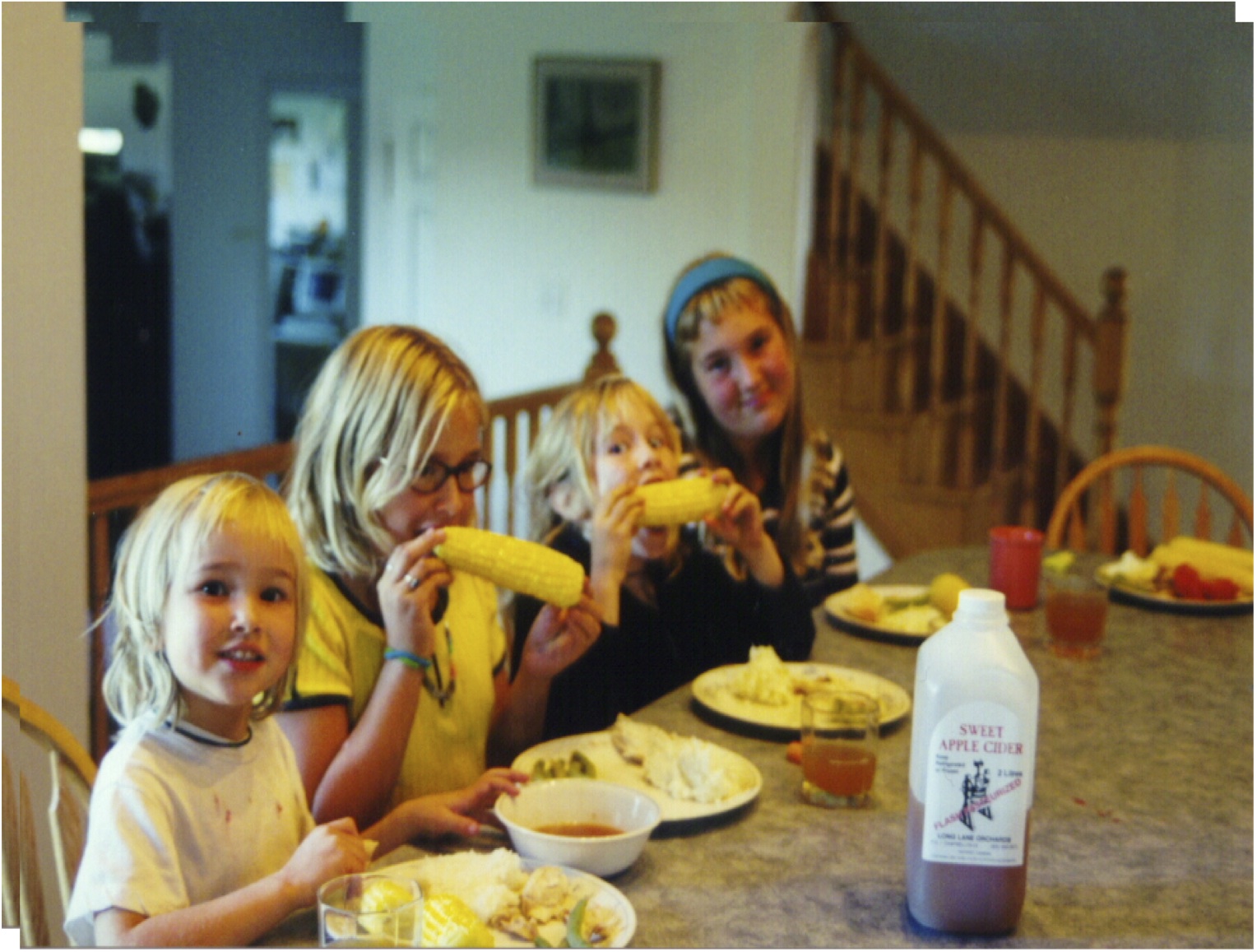 From the cider files
 Damn you daylight savings.
 As outlined by Madeleine Ferrières, a professor of social history at the University of Avignon, in her 2002 book, Sacred Cow, Mad Cow: A History of Food Fears, the goal of regulations at butcher shops — the forerunners of today’s slaughterhouse — was to safeguard consumers and increase tax revenues. Animals from the surrounding countryside were consolidated at a single spot — the evolving slaughterhouse, originally inside city walls — so taxes could be more easily gathered, and so animals could be physically examined for signs of disease.
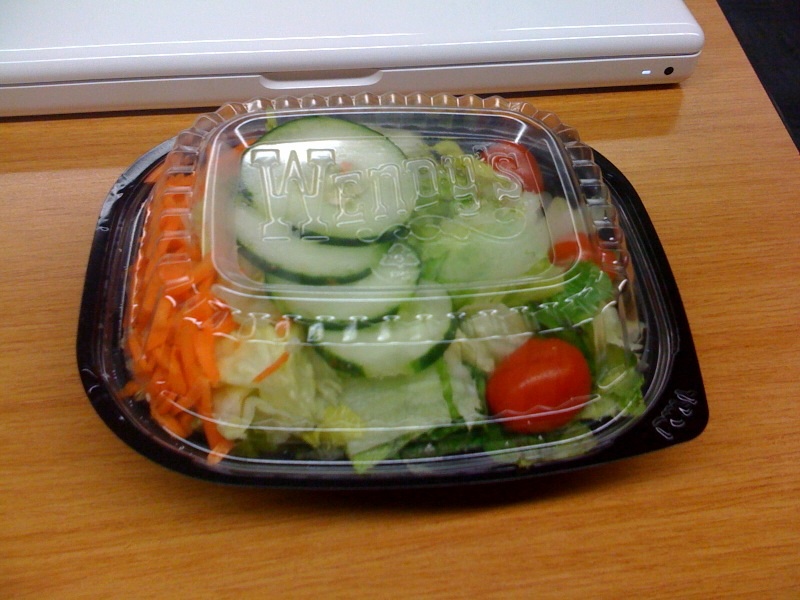 The cases of E. coli O157:H7 are believed to be linked to salads prepared and served at the Prospect Street restaurant. There’s no evidence to suggest a public health concern at other restaurant locations. Public Health Services is continuing its investigation into the matter.