More on frozen mice as reptile food; first outbreak linked to MiceDirect started in Aug. 2008 in U.K.; over 400 now sick

“I never thought that a mouse could have salmonella. It just never entered my mind.”

So says Steve Gilfillan, 51, a deputy sheriff in Council Bluffs, Iowa, who, according to the New York Times this morning, keeps “a couple hundred” garter snakes in several neat rows of roomy enclosures in his basement. The snakes, he said, are like part of the family, which leads to a certain familiarity.

“As far as precautions, I don’t know,” said Mr. Gilfillan, adding his three children helped feed and care for his pets. “Snakes got to eat and snakes got to poop and you got to clean it up. It’s just the nature of keeping them.”

More than 400 people, many of them snake owners or their children, in the United States and Britain, have been sickened by salmonella outbreaks, all traced to frozen mice sold over the Internet as food for exotic pets by a small Georgia company called MiceDirect.

The company announced this week a recall involving millions of frozen mice and said that it would begin irradiating future shipments to kill infectious bacteria.

MiceDirect also recalled frozen rats and baby chickens used as pet food by reptile fanciers, although those products had not been linked to the salmonella outbreaks.

Health officials said that owners of reptiles should be mindful that such pets, including snakes and turtles, often carry salmonella and have been the cause of outbreaks in the past. Rodents carry similar risks, whether kept as pets or used as food for other animals.

Snakes can become infected after eating tainted mice, although the snakes may show no signs of illness, said Dr. Casey Barton Behravesh, a veterinarian and epidemiologist with the Centers for Disease Control and Prevention. Snake owners can become sick from handling the frozen or thawed mice, handling infected snakes or cleaning feces from an enclosure.

Mr. Gilfillan and many other snake owners thaw mice to serving temperature in warm water. Dr. Barton Behravesh said people should not use a microwave oven, because the bacteria could spread to other food.

She also said that mice and reptiles should be kept out of the kitchen and away from areas where food is served. Reptile cages should not be cleaned in the kitchen sink, she said, and mice should not be kept in a freezer with food for humans.

And she said that reptile owners should wash their hands thoroughly after handling their pets or the rodents the pets eat.

The first salmonella outbreak linked to MiceDirect began in Great Britain in August 2008. Since then, more than 400 people have fallen ill there, about two-thirds of them have been children under 10, according to Chris Lane, a senior epidemiologist of the Health Protection Agency’s Center for Infections in London. Although the shipments of tainted mice were halted last year, people continue to get sick there, Mr. Lane said.

The first case in the United States appeared in January 2010, according Dr. Barton Behravesh. The C.D.C. has identified more than 30 cases in 17 states with the same strain as the British outbreak. She said the cases were not concentrated in one region but spread across the country. Half the victims were under 12.
Accounts from both sides of the Atlantic suggest that American authorities were slow to react to indications of a problem.

British investigators looking into the outbreak found that many of the victims came from families where snakes were kept as pets. They eventually began looking at the frozen mice fed to the snakes and found shipments from MiceDirect that contained the same strain of salmonella as that isolated from the victims.

British officials contacted MiceDirect, Mr. Lane said, and the company promised to act to prevent further contamination.

On July 21, 2010, the F.D.A. told the company that tests of its products and plant had found salmonella. Two days later, the agency said, MiceDirect agreed to a recall.

But the recall effort has been haphazard. The company’s recall notice was not prominently posted on its Web site until Thursday. And neither the company’s site nor the F.D.A.’s site gave clear instructions on what to do with mice that customers still had.
 

Diamond China in Las Vegas closed by health types

KNTV 13 Action News in Las Vegas continues its weekly dirty dining segment, this time focusing on Diamond China on Sahara near Valley View, which received 57 demerits in a recent inspection, and was closed by the Southern Nevada Health District.

Pictures taken by the Health District show raw meat thawing next to scallops and mixing juices. Beef was also found thawing with fish. Raw duck was found hanging next to and touching what inspectors call a dirty shelf.
Inspectors say a worker prepared chicken and never washed his hands before moving on to cut some fish. Dirty dishes filled the hand sink making it unusable.
The report says, "Servers, cook prep, cook never washed hands at all during inspection."

Diamond China reopened with an A rating after it was inspected again.

Diamond China has been open for 13 years. This is third time it has been shut down since opening.

57 people barfing after weddings at Illinois banquet hall

Chicago Breaking News reports that at least four people were hospitalized and 53 others reported illnesses after attending wedding parties this month at a banquet hall in south suburban Mokena, Illinois, leading Will County health officials to try to determine the cause.

The Health Department is looking for others who may have gotten sick after attending weddings at Di Nolfo’s Banquet Inn and Catering on July 16 and 17.

Health officials believe the source of the illness is norovirus. Health officials collected and tested food from Di Nolfo’s, 9425 W. 191st Street, but did not find any significant violations. None of Di Nolfo’s employees have reported illnesses, officials said.
 

18 sick with salmonella from duck eggs in Ireland

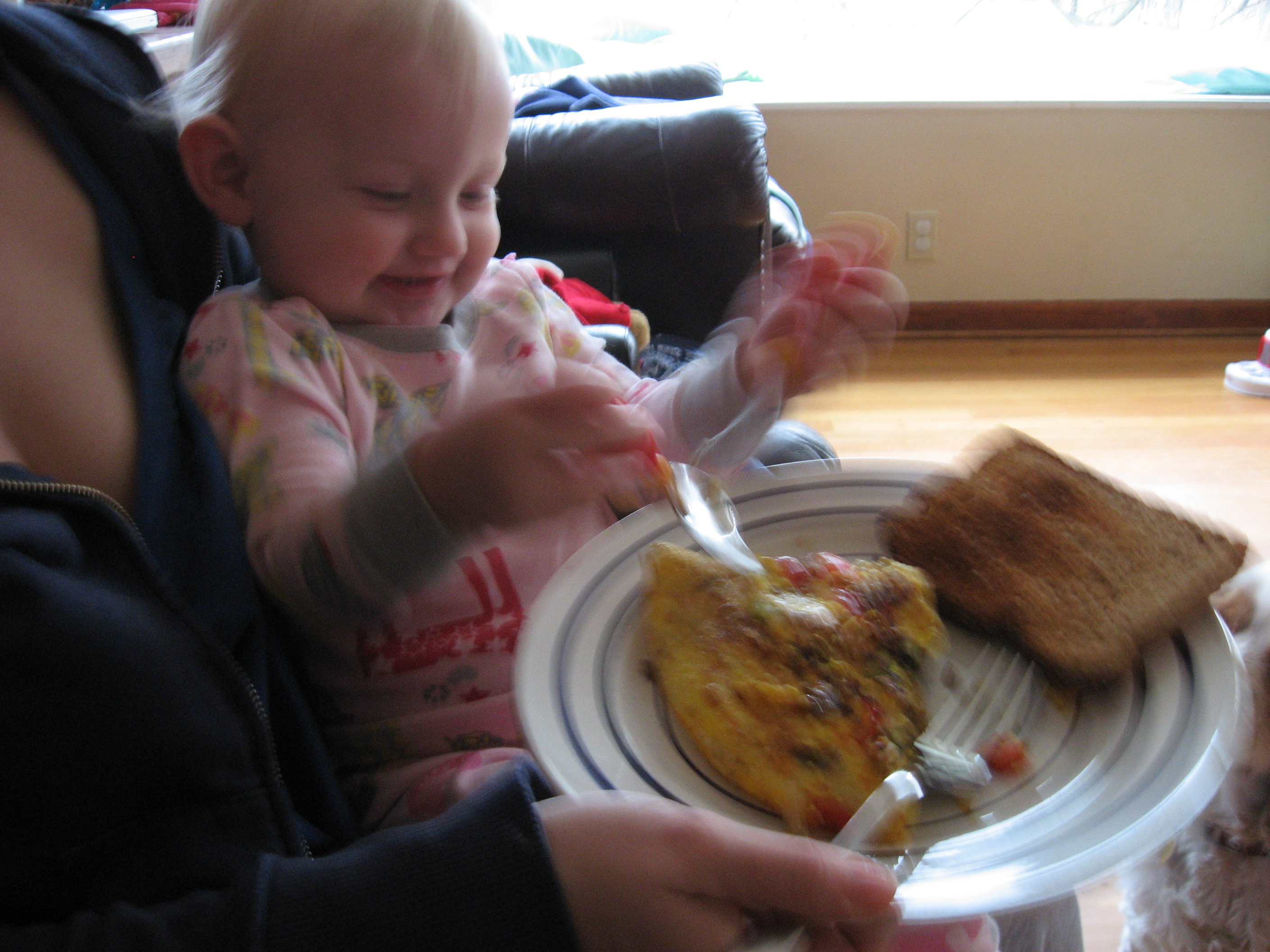
That’s Sorenne (right, pretty much as shown) enjoying a duck egg omelet made with duck eggs from our friend, Kate the vet. Kate is exceedingly conscientious about cleanliness and I take pains to avoid cross-contamination in the kitchen.
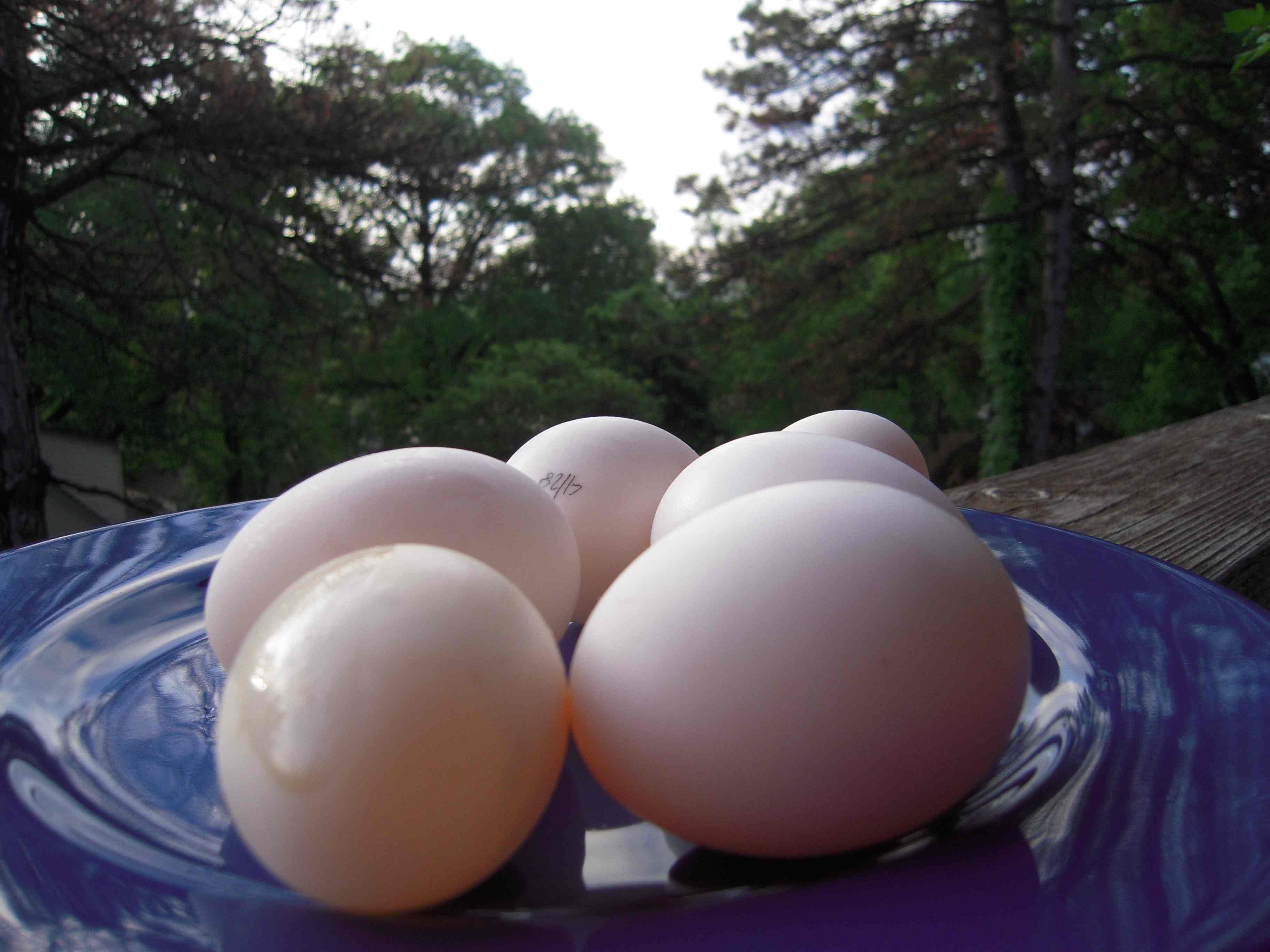
The Food Safety Authority of Ireland (FSAI) today reissued its advice on the safe consumption of duck eggs, following the confirmation of five new cases of Salmonella Typhimurium DT8.

The FSAI states that these five cases are in addition to the thirteen cases associated with duck egg consumption during an outbreak earlier in the year.

It is reiterating its advice to consumers to only consume duck eggs that have been thoroughly cooked and to cease using raw duck eggs in any dishes that will not be cooked thoroughly prior to eating. It continues to recommend that good hygiene practices are followed, such as washing hands and preparation surfaces after handling or using duck eggs.

In light of these new cases, the FSAI advises caterers to be particularly strict in adhering to best hygiene practices and to only serve duck eggs or duck egg products that have been thoroughly cooked prior to consumption. It also reiterates the need for strict procedures to be followed at all times to avoid cross contamination between raw and cooked foods.

UK supermarket sells squirrel meat

In Jan. 2010, Michelle blogged about the popularity of squirrel meat in the U.K. and someone commented,

“I live in the U.K. and have never ever seen squirrel being sold in any supermarket or shop and would be quite surprised if I ever did! As far as I’m aware its not popular at all.”

The Daily Mail reports this morning that a British supermarket has started selling squirrel, and is reporting "huge interest" in the cheap and healthy meat.

Grey squirrel meat is high in protein and low in fat, and is selling for just £3 ($5.25) at budget supermarket Budgens, reports.

Once a staple of English cooking, squirrel is said to have a nutty flavour and can be cooked in soups, pies and casseroles.

The North London branch of the supermarket selling the meat said there had been "huge interest" but admitted that more customers were looking rather than buying so far.

Animal welfare group Viva has accused Budgens of cashing in on a "massacre" by putting grey squirrel back on the menu, with founder Juliet Gellatley saying,

"If this store is attempting to stand out from the crowd by selling squirrel, the only message they are giving out is that they are happy to have the blood of a beautiful wild animal on their hands for the sake of a few quid.”

Label old beef(s)

I have a friend who was a dairy farmer for decades and he refused to eat at McDonald’s.

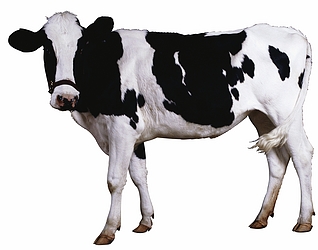
He likes hamburgers and all, he just couldn’t stand the thought of his spent Holsteins being served as a Big Mac.

Some types in the Australian beef industry feel the same way.

The Courier Mail in Brisbane reports that backers of truth-in-labeling legislation aimed at ensuring old cow meat is clearly labeled as such are concerned industry representatives will succeed in destroying the intent of the legislation.

They are worried that a register being drawn up in response to the legislation will only make buying beef in the supermarket even more confusing for consumers.

Once passed, the terminology would apply to meat sold in supermarkets and butchers around the country.

Consultant to the truth-in-labelling legislation, Norman Hunt, said vested industry interests who did not want consumers to realize they were buying beef from old cows were to blame.

The Aus-Meat domestic retail beef register, drawn up earlier this month, is proposing to change the much-maligned "budget" label, used to describe beef from cattle 10 years old, to "economy".

Under existing law in Queensland, abattoirs must label old cow meat "manufacturing" grade but retailers are then able to market it as prime cut under the "budget" grading.

Government adviser, Red Meat Advisory Council secretary Justin Toohey said it was impossible to provide a guide to eating quality of meat to consumers based on a whole of animal approach, adding,

"The trouble is every muscle has to be graded individually for this sort of thing to be a success. An eye-fillet from an eight-tooth cow could be beautiful eating, for example."

This probably means there’s an outbreak going on: Health Canada warns about raw sprouts

Health Canada is reminding Canadians that raw or undercooked sprouts should not be eaten by children, older adults, pregnant women or those with weakened immune systems.

Health Canada used to say raw sprouts should be avoided if concerned about illness, but now they are more direct. That 2005 outbreak in Ontario involving more than 648 cases of Salmonella linked to mung bean sprouts may have something to do with the newfound directness.

Fresh produce can sometimes be contaminated with harmful bacteria while in the field or during storage or handling. This is particularly a concern with sprouts. Many outbreaks of Salmonella and E. coli infections have been linked to contaminated sprouts.

Children, older adults, pregnant women and those with weakened immune systems are particularly vulnerable to these bacteria and should not eat any raw sprouts at all. They should also avoid eating cooked sprouts unless they can be sure the sprouts have been thoroughly cooked.
 

Someone got a star: NYC Health Dept.’s first Grade A bestowed

A small deli in Long Island City, Queens, will go down in local history as being the first business to earn a Grade A from the city’s health department, which implemented its new restaurant inspection grading system on Tuesday.

Crain’s New York Business (photo from Crain’s) reports the agency is holding a press conference Wednesday morning at Spark’s Deli on 2831 Borden Ave., where health commissioner Dr. Thomas Farley will laud the small business’s accomplishment.

Co-owner Jose Araujo said,

“We serve a lot of hard-working people, construction crews and mechanics. And now they’ll know for sure that I provide good food. … We’ve done well in past inspections. There’s always something to fix or be done better, but we’ve never failed an inspection.”

On Tuesday an inspector visited his business, awarding him with a score of 10.

According to the new letter grading system, in which restaurants receive either an A, B or C grade (or fail the inspection altogether), a score of 0 to 13 qualifies as an A.

Other restaurants were inspected on Tuesday and earned A’s, but Spark’s was the first, according to health department officials.

Children abandoned at Kentucky Chuck E. Cheese

People go crazy at them Chuck E. Cheese restaurants.

In 2007 an outbreak of foodborne illness, leading to 4 hospitalizations, was linked to an employee changing the diaper of a diarrhea-stricken toddler in the kitchen of a Maryland Chuck E. Cheese.

WPSD Local 6 reports that now, two women have pleaded guilty to leaving their kids alone at a Chuck E. Cheese in Paducah, Kentucky while they went shopping.

Marilyn Thomas and Kimberly Cali left a 3-year-old and a 9-year-old at Chuck E. Cheese for an hour and a half while they went shopping.

One of the children was Cali’s daughter. The other was her niece. Thomas was the children’s grandmother.

They spent four hours in jail for the crime, and owe $200 in fines and $210 each in court costs.
 

It’s the medium and the message: rapid reliable relevant repeated messages to combat recall fatigue

Until three years ago, Kenneth Maxwell enjoyed Banquet chicken and turkey pot pies so much he ate them three or four times a week. They were easy to prepare, and Maxwell could eat one for lunch and quickly return to work as an electrician.

When cases of salmonella poisoning led the pies’ manufacturer, ConAgra Foods, to issue a product recall in the fall of 2007, Maxwell did not hear about it and continued to eat them. He bought several pot pies about two weeks after the recall was launched, when they should have been pulled from store shelves, and became violently ill, he said.

Steve Mills of the Chicago Tribune reports this morning that Maxwell’s experience reflects common problems with food recalls: They routinely fail to recover all of the product they seek and, according to experts, sometimes even leave tainted foods in stores, putting consumers at risk of becoming ill from potentially deadly foodborne pathogens.

If consumers are suffering from recall fatigue, what about retailers who are supposed to get potentially contaminated product off the shelves?

Communications about recalls with both the public and retailers, must be rapid, reliable, repeated and relevant, and that the produce outbreaks of 2006 marked significant changes in how recall stories were being told on Internet-based networking like YouTube, wikipedia, and blogs.

The Tribune story says a spokesman for Jewel-Osco’s corporate parent said relying on the media, posting shelf notices and making sure store employees are prepared to answer customers’ questions all have worked with recalls in the past.

Safeway, the parent of Dominick’s food stores, contacts shoppers directly in some recalls — typically smaller ones, said spokesman Brian Dowling. But in larger recalls, he said the company’s stores rely on other methods to get the word out, such as notices on store shelves and stories in newspapers and on TV and radio.

The U.S. Department of Agriculture recently released the Government’s Products Recall app for the Android smartphone at USA.gov website.

And it will be the same boring message. Marshall McLuhan famously said “The medium is the message” (that’s him above, right, in a scene from the movie, Annie Hall). With food safety recalls, it’s the medium and the message, if you want to get people’s attention.

The Maxwells said they have not eaten a Banquet pot pie since the recall.